Brusly Gets Drainage Report With Potential to Reduce Flooding 1.5 Feet
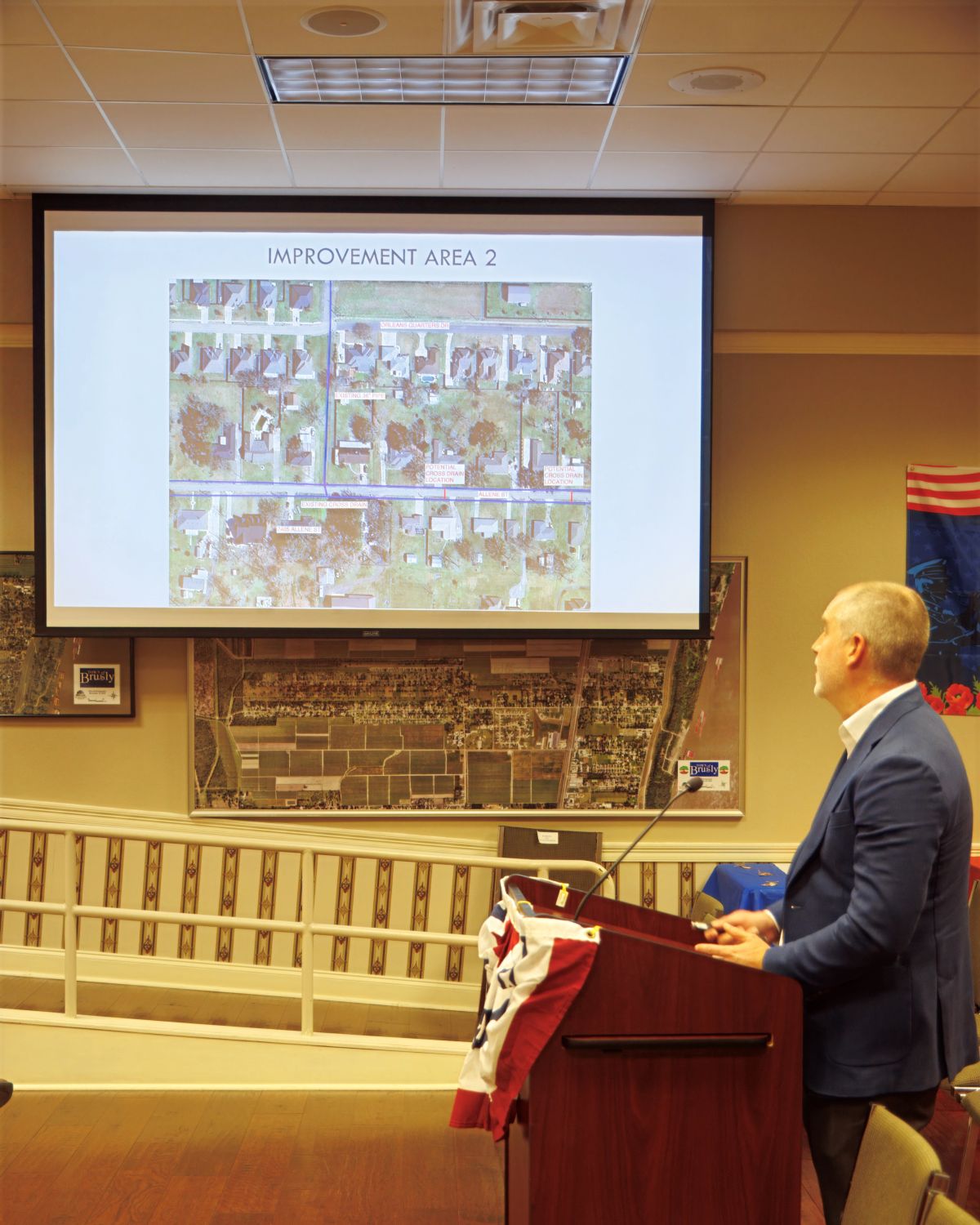
Engineer presents phased solutions for four problem areas after months of analysis
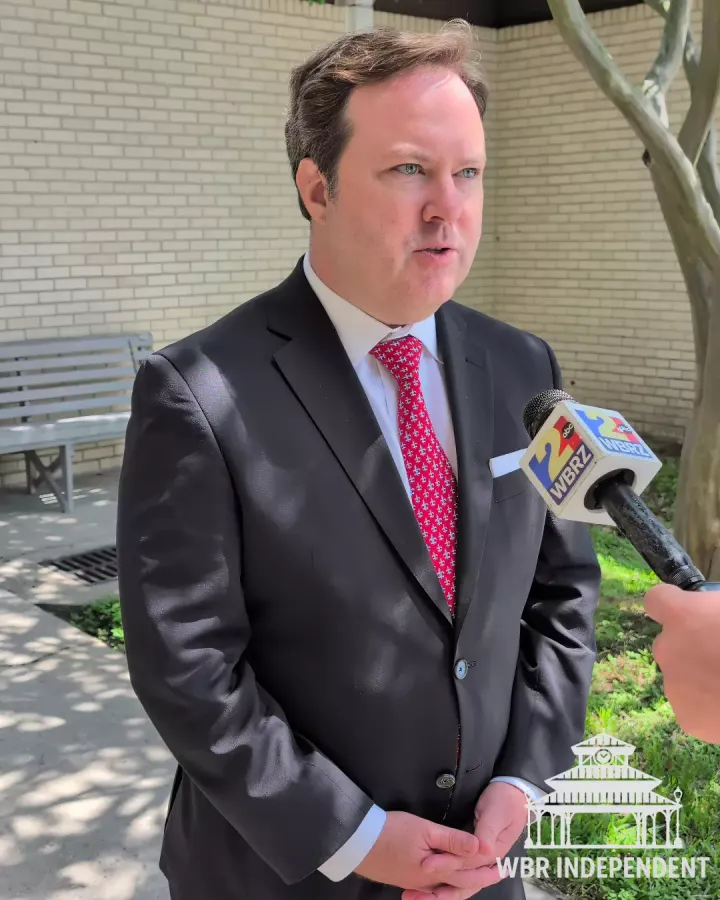
BRUSLY — Four months after identifying severe flooding problems on Allene Street, engineer Toby Fruge returned to the town council Monday night with detailed solutions that could reduce peak flood depths by one and a half feet.
The Owen & White Inc. engineer presented a phased approach with four specific improvement areas that the town can tackle individually as funding becomes available, with state grants potentially covering 75% to 90% of costs.
"The good thing is you don't need to do A and B to get a reduction," Fruge told the council. "You can do A, then do B, then do D, then come back and do C. It just depends on budget and priorities."
Fruge's July presentation used computer modeling to show water backing up into yards during heavy rain. Monday's meeting delivered the solutions he promised to develop.
Four Problem Areas, Four Fixes
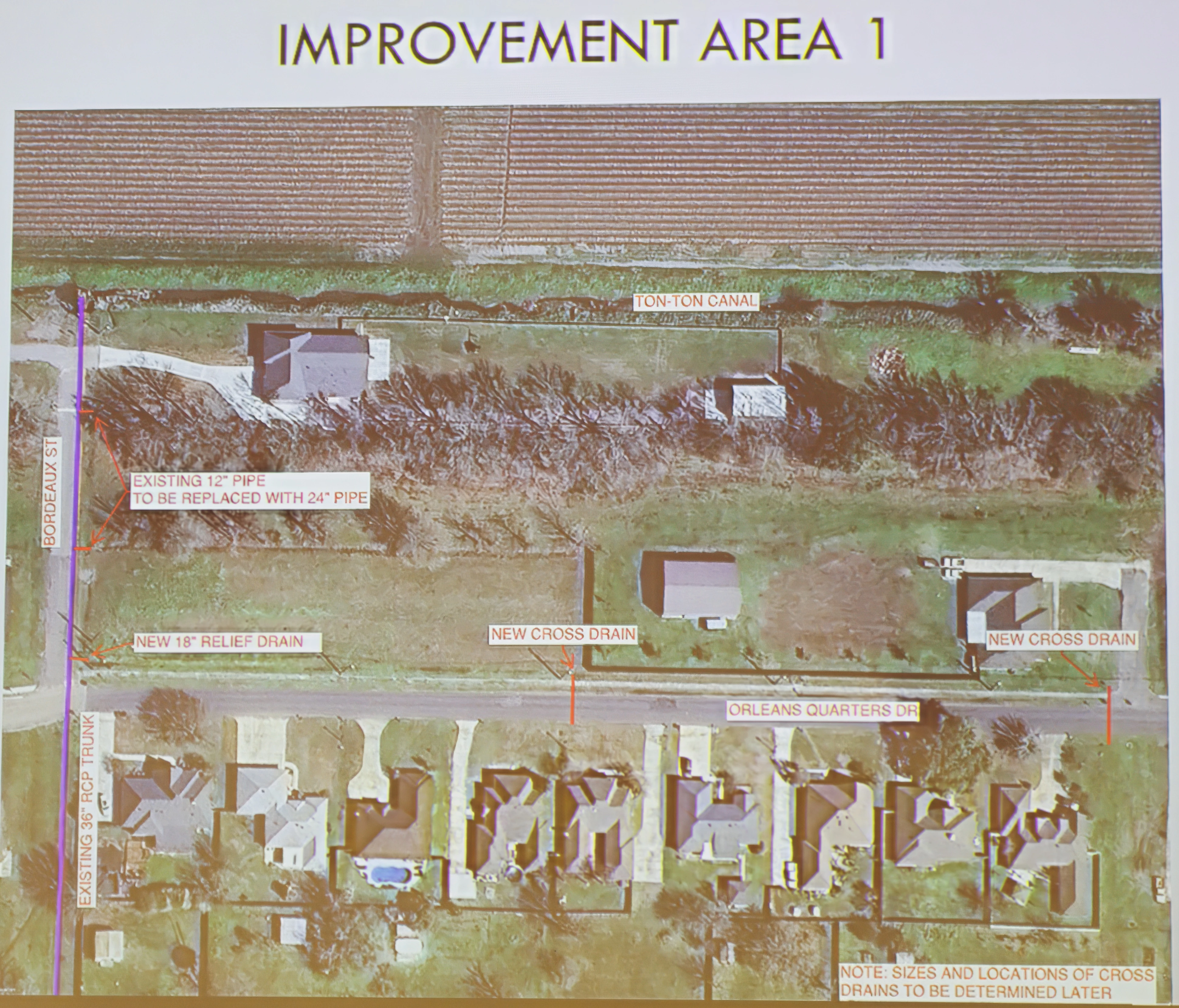
Bordeaux and Orlean Quarters intersection: Two 12-inch pipes can't handle water flowing from east to west, causing flooding across Orlean Quarters Drive. The fix requires upsizing both pipes to 24 inches, adding an 18-inch relief drain, and installing cross drains to move water into the drainage system.
Council members asked whether the work should extend to dead-end streets where corner properties flood badly.
"We can definitely take a look at that and add it to the recommendation," Fruge said.
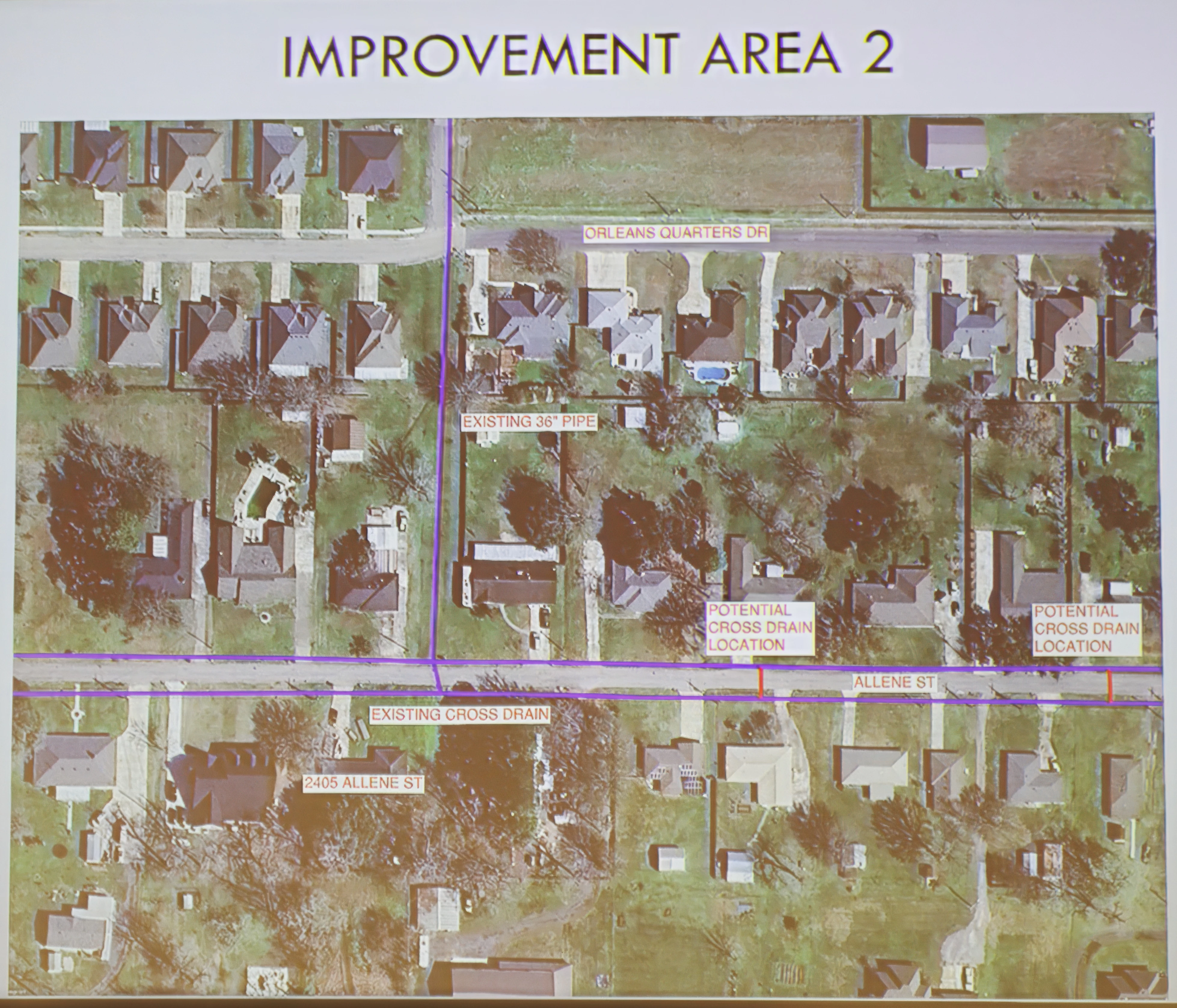
Middle of Allene Street: Water piles up heavily on the south side while the north ditch carries almost nothing. Installing cross drains will equalize the flow between both sides, preventing overload at a single point.
Behind Allene Street homes: This is the biggest problem and most expensive fix. Nearly half a mile (2,150 feet) of 30-inch pipes behind homes are too small, causing water to back up, overflow catch basins, and flood yards.
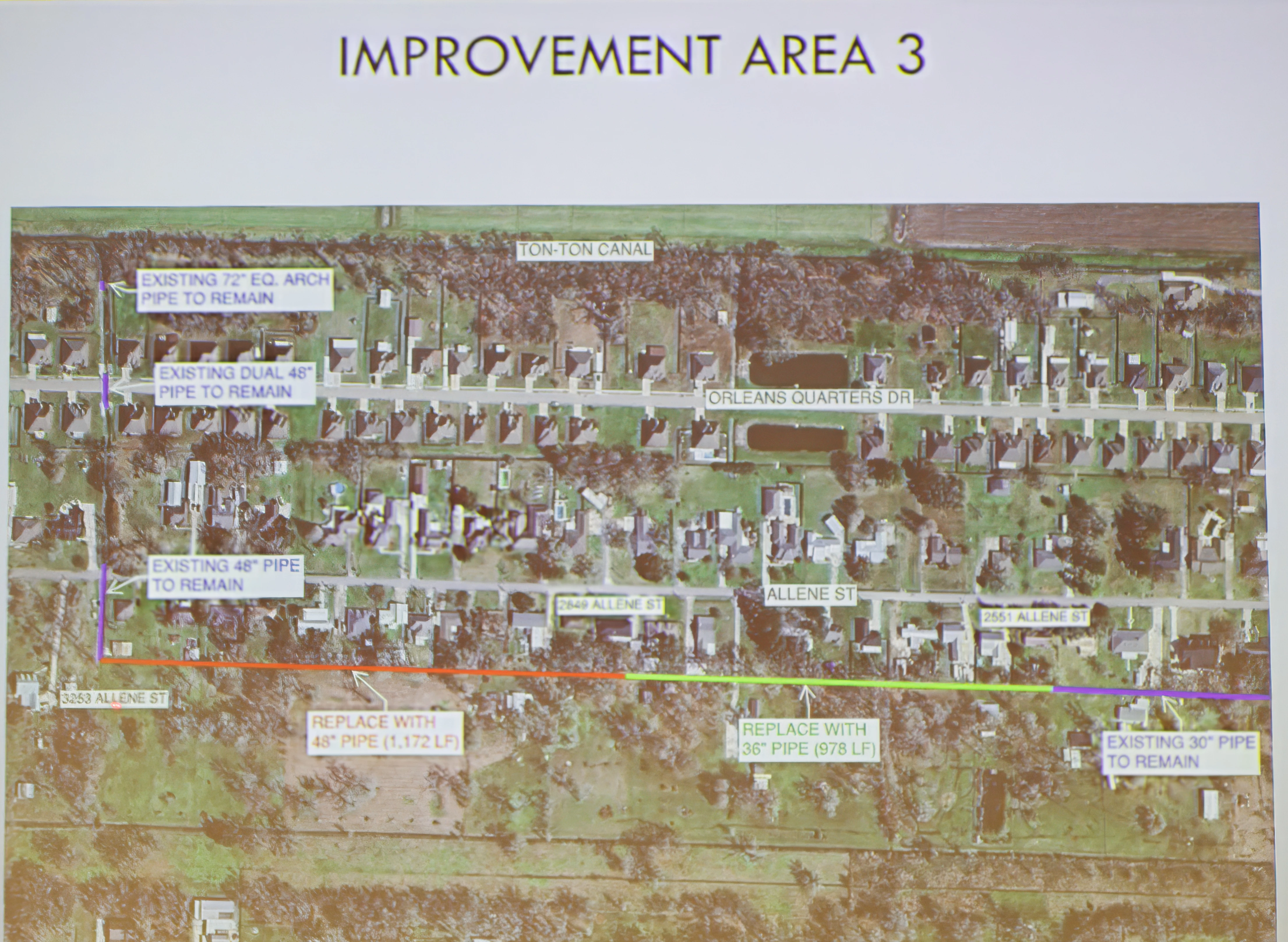
The solution requires replacing 1,172 feet of pipe with 48-inch culverts and another 978 feet with 36-inch culverts. This work alone will deliver the full 1.5-foot flood reduction that modeling predicts.
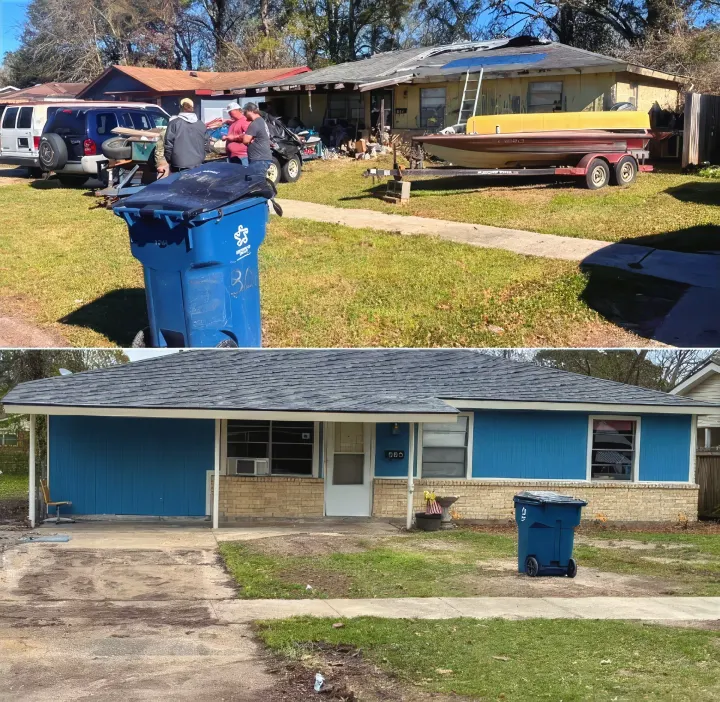
Individual driveway culverts: Small damaged pipes throughout the area need replacement. Some have shrunk from 24 inches down to 15 inches over time, creating localized drainage problems.
What 1.5 Feet Means
Councilman Chris "Fish" Kershaw asked Fruge to explain what "1.5 feet of flood reduction" actually means for residents.
"When it starts raining it accumulates, accumulates, then reaches that peak and starts draining out slowly," Fruge explained. "That one and a half feet is going to reduce that peak."
The reduction applies throughout the basin as water rises before reaching its highest point during heavy rain events.
"For this area that's a really good reduction," Fruge said.
State Money Could Cover Most Costs
Louisiana's Statewide Flood Control Program offers grants covering 75% to 90% of drainage project costs, with a $5 million maximum per project. Brusly's estimated costs fall well below that cap.
The two-stage application process requires first showing that flooding exists (using photos, homeowner statements, or news articles), then submitting engineering studies and cost estimates.
Fruge's detailed computer modeling showing animated flood simulations could give Brusly a competitive advantage over other municipalities applying for the same grant funds.
Discussion also addressed the timeline challenges of pursuing grant funding while residents continue experiencing flooding during heavy rain events.
Parish Partnership Expected
Town officials expressed confidence the parish will help with the project, particularly since the parish originally installed the 30-inch pipes behind Allene Street years ago.
"When we did the Venzule project, our parish did a lot of that work at a very reduced rate," Mayor Scot Rhodes said. "We're going to lean heavily on the parish on that ditch behind Allene because they put those culverts in years ago."
West Baton Rouge residents pay a parish drainage tax, though towns don't receive guaranteed funding shares.
Councilman Kershaw noted the parish's consistent support: "The parish has never to my knowledge not helped with drainage projects. They've been over and above absolutely."
Homeowner Access Required
The biggest job—replacing pipes behind Allene Street—requires getting equipment through private property, which officials acknowledged will be challenging given the need for maintenance agreements from all affected property owners and potential fence removals.
A permanent drainage servitude exists for the pipe itself, but equipment needs about 20 feet of temporary access alongside it.
Mayor Rhodes said he expects most residents will cooperate.
"I'm going to go out on a limb and say the majority of those people will sign," he said. "I just don't know if they all sign."
Quick Wins Available
The Bordeaux/Orlean Quarters work appears quickest and cheapest. Fruge estimated roughly $50,000 for that work, though he cautioned that figure might be overestimated. The work involves cutting the road, installing pipe and catch basins, and repaving.
The long run of pipe behind Allene Street will be the most expensive piece.
Council members noted that residents frequently ask about progress on this drainage project, highlighting the community's ongoing frustration with flooding issues.
Next Steps
Fruge will provide detailed cost estimates for each improvement area. The council will then decide which fixes to tackle first based on cost and impact.
The state grant application deadline is in May for preliminary submissions.
The engineer's four-month analysis delivers on the promise he made at July's council meeting, when he called the Allene Street flooding his "hot item" and committed to returning with comprehensive solutions.