Knocking Down Blighted Homes Is Only Half the Problem — What Happens to the Lot?
Resident Pushes Port Allen to Think Beyond Demolition and Put Properties Back Into Use
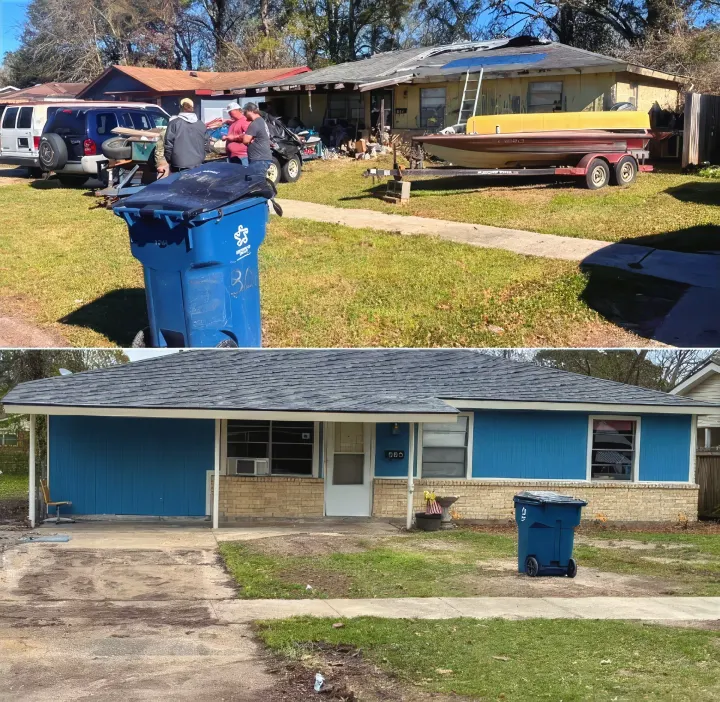
PORT ALLEN — As Port Allen continues to make progress on blight removal, at least one resident is pushing city officials to think harder about what comes after the bulldozer leaves.
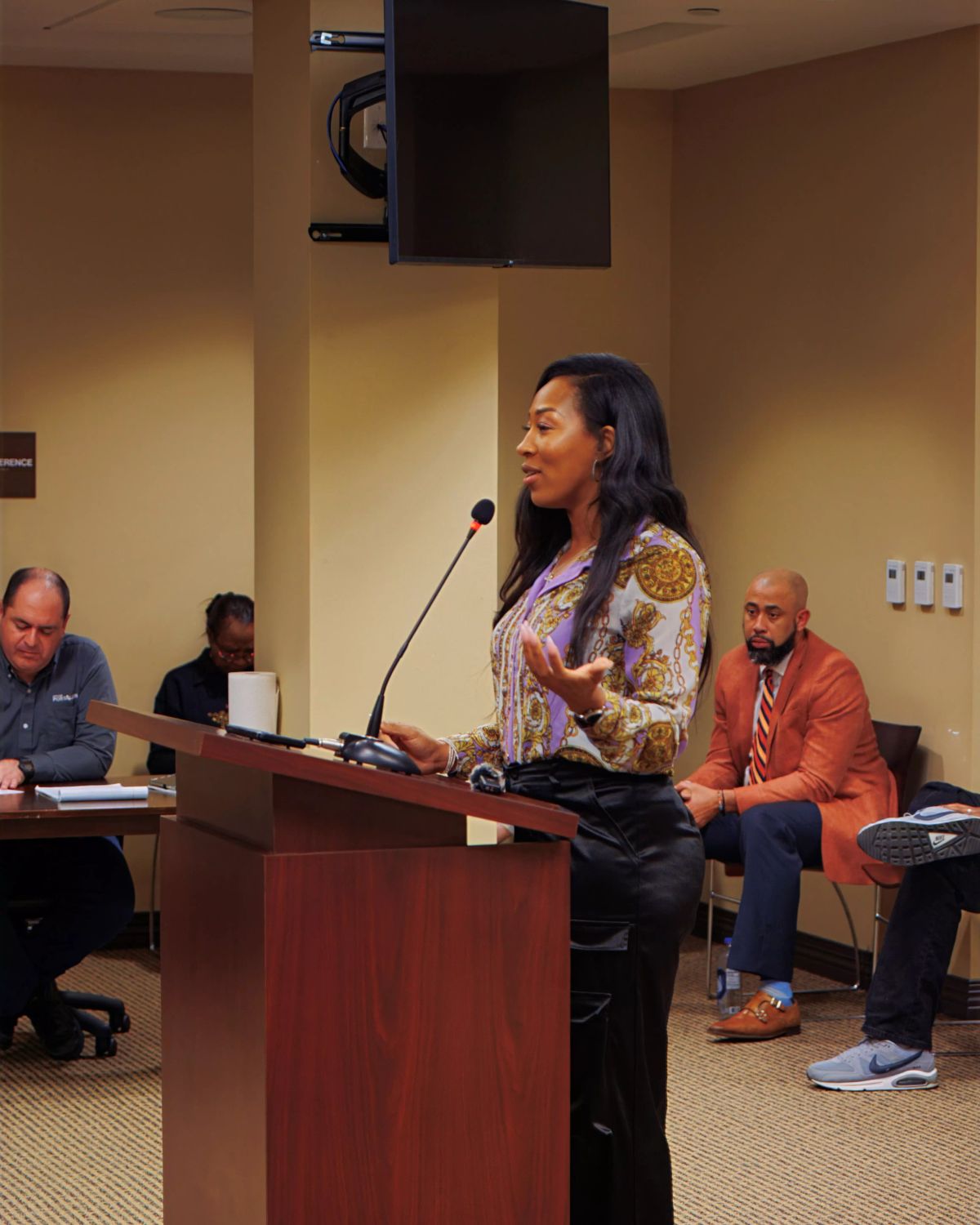
A community member who spoke at the Feb. 25 town hall raised a question that city officials acknowledged doesn't have an easy answer: once a blighted structure is torn down, what's the plan to put that land back into productive use?
"Is it just going to stay an empty lot for the next 12 years?" she asked, referencing a property near where her mother had lived.
The question touched on a legal and logistical tangle that Mayor Terecita Pattan and City Attorney Casey C. Hollins worked through openly with the audience.
Hollins explained that the city's options depend heavily on whether a property has been adjudicated — a legal process in which a parcel is transferred to the city or parish after taxes go unpaid. Even adjudicated properties, she noted, are not fully owned by the city without additional court proceedings, and the city rarely pursues those proceedings because of the volume of properties and the resources required.
For privately owned properties, the city has even less authority. If a structure is condemned and demolished but the land remains privately owned, the city cannot dictate what the owner does — or doesn't do — with it.
The specific Harry Brown Street property, officials said, is still technically privately owned. The last recorded owner is deceased, and the city was unable to locate heirs, leading the council to approve the appointment of a curator to represent the estate so condemnation proceedings could move forward.
Pattan said the city has a handful of adjudicated properties but acknowledged the challenge of moving them back into commerce. She also noted that Port Allen's current zoning requires a minimum 50-foot front setback to build, which can make it impossible to redevelop older, smaller lots — something she suggested could be worth revisiting through a zoning variance process.
The resident urged the city to consider a blight lien foreclosure approach similar to what some Baton Rouge organizations are currently developing, which would allow municipalities to take formal legal control of long-neglected properties and sell or transfer them to new owners.
No formal action was taken at the town hall, but Pattan said she was open to exploring options.