Moving Heaven and Earth
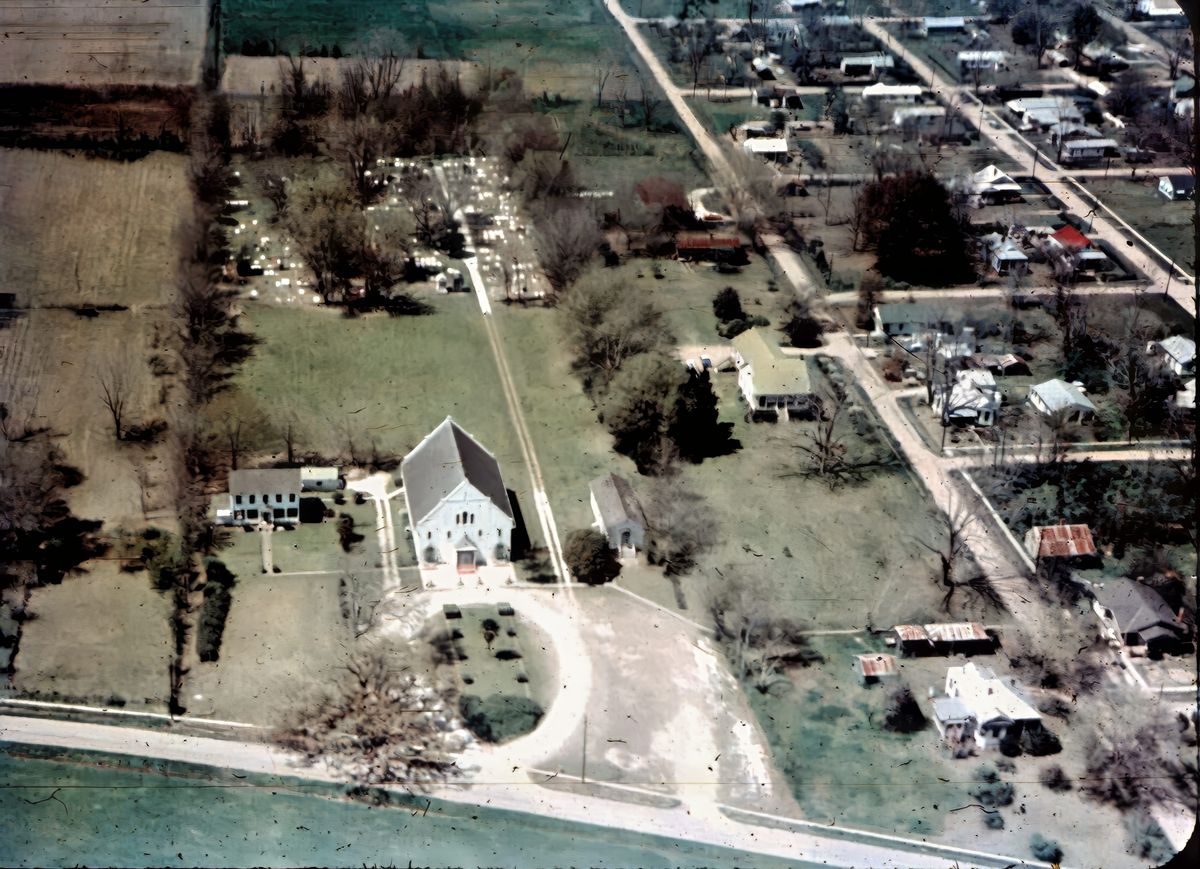
The 1932 rescue that saved St. Francis Chapel and set the precedent for today's preservation battle
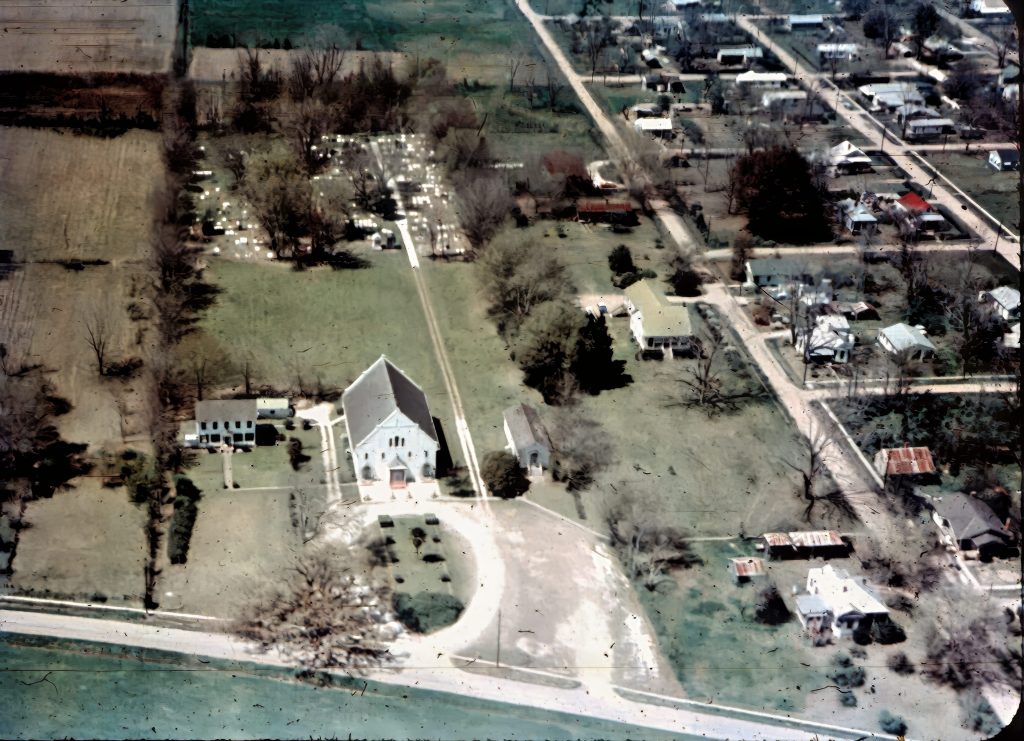
When federal flood control eliminated their homeland, Sardine Point families made an extraordinary decision: they would literally move their chapel to save it. That 1932 precedent now guides their descendants' fight to preserve the same building.
BRUSLY, La. — In 1932, when federal engineers told the families of Sardine Point their community would be eliminated for flood control, most accepted the inevitable loss of homes, farms, and memories built over decades. But when it came to their chapel, the families made a different choice.
They would move heaven and earth—literally.
The story of how Catholic families saved St. Francis of Assisi Chapel by physically relocating the entire building has become family legend, preserved in oral histories and official documents. But today, as their descendants face another preservation crisis, the 1932 rescue effort provides both inspiration and a practical precedent for what determined families can accomplish.
The question facing the community now is whether the same spirit that moved a chapel with "horses pulling... logs and cables" can save it once again.
The Federal Ultimatum
By early 1932, the U.S. Army Corps of Engineers had finalized plans for the Mississippi River levee system that would cut directly across the neck of the Sardine Point peninsula. The new flood control infrastructure would make the entire community uninhabitable—no roads in, no access, no way to maintain homes or businesses.
The government's 1932 "Land Measurement" document, preserved in the Dupuy family archives, lists 23 families who would be displaced, including six Tullier family properties, four Comeaux family properties, three Bourgoyne family properties, and ten other family homesteads. The document shows properties stretched 6.4 miles from the gate to the tip of Australia Point, representing a substantial settlement that had developed over nearly 50 years. For most, relocation meant starting over: finding new homes, new jobs, new communities. The federal government provided minimal compensation and no assistance with the social and cultural losses that displacement would bring.
For the Catholic families, the chapel presented a unique challenge. St. Francis of Assisi wasn't just a building—it was the center of their spiritual life, blessed by Archbishop J.W. Shaw in 1929, and listed as an official Catholic mission in church directories. Unlike homes that could be rebuilt elsewhere, the chapel represented irreplaceable sacred space and community heritage.
The Families' Response
The Families' Response
While the federal government saw Sardine Point as an obstacle to flood control, the families saw their chapel as worth saving at any cost. Russell J. Comeaux, who lived through the displacement as a young man and provided detailed testimony in a 2001 oral history, witnessed the extraordinary effort to relocate multiple buildings.
"I don't believe they tore it down. I believe they rolled it because we moved some pretty good sized houses in Cut Off," Comeaux recalled. "We rolled, we rolled them." He described the process: "We helped, some of the fellows rolling some of those houses from the Point...And they rolled, we rolled them down the road to about a foot to the levee."
The chapel movement was part of a broader community preservation effort. As George Hebert recalled in his 1996 oral history, when the levee was moved, "they moved the drug store" and "Lucy and Walter Landry's house was moved" along with other structures, showing this was a widespread response to forced displacement throughout the area.
"Horses pulling the houses with logs and cables," Comeaux recalled, describing the mechanical effort required to move a complete wooden church structure in an era before modern moving equipment. The operation required careful planning, community coordination, and the kind of determination that treats sacred space as more valuable than convenience.
The families' decision wasn't just about preserving a building—it was about maintaining their community's spiritual center after federal policy had scattered them geographically. If they couldn't preserve their homeland, they would at least preserve the sacred space that had defined their community for over four decades.
The Technical Challenge
Moving a complete church building in 1932 required ingenuity, labor, and risk-taking that today's families can barely imagine. Without modern hydraulic systems, professional moving companies, or engineered transportation, the Sardine Point families had to devise their own solutions.
The use of horses, logs, and cables created a system of rolling buildings on wooden runners while using animal power for traction. Comeaux clarifies that the building now serving as St. Francis Hall was actually the second chapel built at Sardine Point—"right by our house on the Comeaux property"—rather than the first chapel located "way down there by the Australia line." The chapel was physically moved intact rather than dismantled, preserving its architectural integrity for future generations. The chapel would have been carefully prepared—windows secured, structure reinforced, interior items removed—before the actual move began.
The distance from Sardine Point to the building's new location in Brusly required crossing different terrain and possibly multiple property boundaries. Each mile of movement would have required constant attention to the building's structural integrity and the safety of both people and animals involved in the operation.
Community Coordination
The 1932 rescue effort wasn't the work of one family but a coordinated community project involving multiple households, shared resources, and careful planning. Men provided labor, families contributed animals and equipment, and the entire community likely gathered to help with the dangerous work of moving their chapel.
The oral histories suggest the operation was successful but not simple. Moving any building intact requires expertise that the families had to develop through trial and error, with their chapel's survival depending on their ability to solve engineering challenges without professional assistance.
The fact that the building survived the move intact—and has continued serving the community for over 90 years since—demonstrates both the families' skill and their commitment to preserving what they considered irreplaceable.
The Cut Off: New Community from Old Roots
Many Sardine Point families settled in the area known as "the Cut Off," where they maintained their community connections. According to the West Baton Rouge Museum, "until the late 1980s, many families resided in the 'Cut Off,'" showing the lasting bonds formed at Sardine Point even decades after displacement.
Russell Comeaux and his family were among the last to leave the original settlement. As he recalled: "We were the last few people, families, and that was 1931 and '32." The chapel movement had occurred in the late 1920s, before the final evacuation, as families recognized the inevitable displacement ahead.
When St. Francis of Assisi Chapel reached its new location in Brusly, it began a second life as part of St. John the Baptist Catholic Church. The building that had served as an independent mission at Sardine Point became St. Francis Hall, continuing to host religious education, community gatherings, and family celebrations.
The transition wasn't just geographic but functional. What had been the primary worship space for Sardine Point Catholics became a multipurpose community building serving the broader Brusly parish. Children who had received First Communion at Sardine Point continued their religious education in the same building at its new location.
Family celebrations continued in the familiar space. Wedding receptions, memorial services, bridal showers like Kay Landry Rumfola's in the 1980s, and parish meetings all took place in the chapel their families had risked everything to save. The building maintained its role as a community gathering place even as the community itself had been scattered by federal displacement.
Generational Continuity
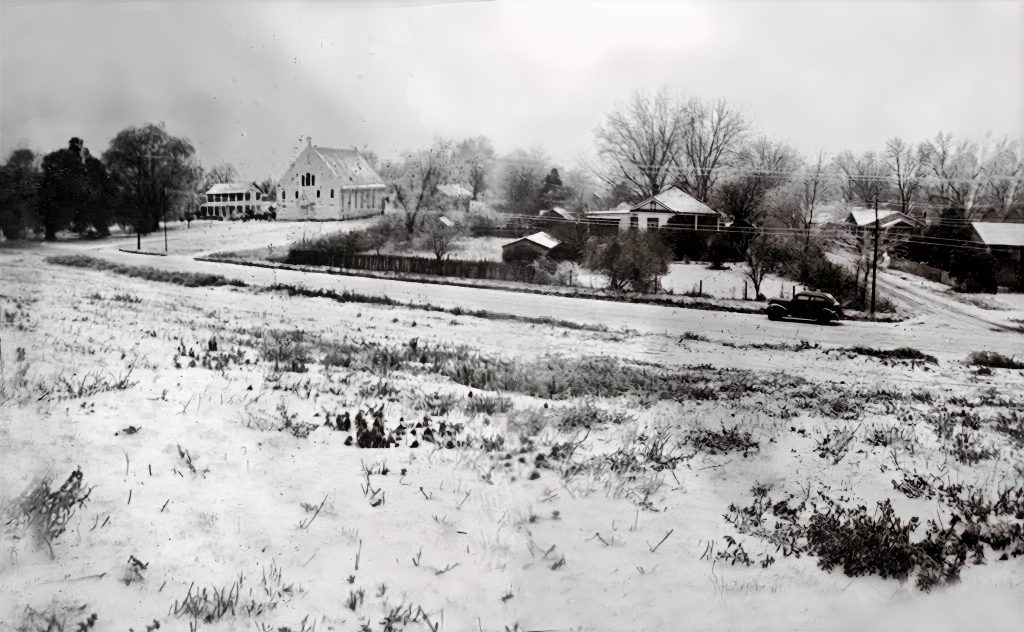
The children who attended catechism classes in the chapel at Sardine Point brought their own children for religious education in the same building at Brusly. Families like the Heberts, whose great-grandmother Marie Corinne Hebert Arbuckle Tullier had lived at Sardine Point, maintained their connection to their heritage through continued use of the preserved sacred space.
Billy Hebert, whose aunt's memorial service was held in the hall, represents the generational continuity that the 1932 rescue effort made possible. "That's where I first went to catechism classes, First Communion training," he remembers. "Brusly needs its memories."
The building preserved not just architecture but the possibility for families to maintain physical connections to their displaced heritage across multiple generations.
The Precedent for Today
As descendant families now face another preservation crisis, the 1932 rescue effort provides both inspiration and practical precedent. If families could move an entire church building with horses and cables in 1932, what might be possible with modern equipment and broader community support?
The current preservation effort, led by L.J. Dupuy and involving multiple descendant families, follows the same principle that guided their ancestors: sacred space and community heritage are worth extraordinary effort to preserve.
Mike Prejean, a member of the church's Parish Council, acknowledges that "there is some effort by some people to maybe remove the building and move it onto adjacent property," though he notes such plans are "not official and not really in our plan" for church leadership.
Modern Challenges, Historical Solutions
Today's families face different challenges than their 1932 predecessors. Instead of federal displacement, they're dealing with institutional decisions about renovation and space utilization. Instead of community consensus about preservation, they're navigating competing priorities within a larger parish structure.
But the fundamental question remains the same: Is the building worth the extraordinary effort required to save it?
The 1932 precedent suggests the answer depends on how families value their heritage and what they're willing to sacrifice to preserve it. The ancestors who moved St. Francis Chapel understood that some things are irreplaceable, that sacred space connects generations, and that family determination can overcome seemingly impossible obstacles.
What the Ancestors Understood
The families who rescued St. Francis Chapel in 1932 understood something that today's preservation advocates continue to believe: heritage preservation isn't just about buildings, it's about maintaining connections across generations and preserving the sacred spaces that define community identity.
They understood that federal policies might eliminate their homeland, but family commitment could preserve the sacred spaces that made that homeland meaningful. They understood that moving heaven and earth wasn't just metaphorical—sometimes it meant literally moving buildings with whatever tools and determination they could muster.
Most importantly, they understood that preservation requires sacrifice, coordination, and the willingness to take risks for things that can't be replaced.
The West Baton Rouge Museum's upcoming 2026 exhibit on Sardine Point's African American origins will help tell the broader story of the community that federal flood control eliminated. But whether that exhibit will include the physical preservation of St. Francis Hall—the last tangible remnant of the shared homeland—depends on whether today's families can summon the same determination their ancestors showed in 1932.
A Living Legacy
St. Francis Hall today represents more than the building the families saved in 1932—it represents the principle that community heritage is worth extraordinary effort to preserve. The hall has continued serving families for over 90 years not just because it survived the move, but because each generation has maintained its commitment to the sacred space their ancestors refused to lose.
Bobby Williamson, possibly the last person born at Sardine Point in February 1932, represents the final living link to the community that required such extraordinary preservation efforts. Whether the building that connects to his birthplace will survive for another generation depends on the same family determination that moved heaven and earth over 90 years ago.
The 1932 rescue effort succeeded because families understood they were preserving more than architecture—they were maintaining the possibility for future generations to connect with their heritage through sacred space. Today's preservation battle continues that legacy, asking the same question their ancestors answered with horses, logs, and cables: What is our heritage worth?
Community Meeting Held
UPDATE: St. John the Baptist Catholic Church held a public meeting on Wednesday, June 25th at 6:00 PM regarding the building project. The meeting addressed community concerns about the potential demolition of St. Francis Hall and how the building project had been handled.
The meeting provided an opportunity for community members to learn about the church's plans and voice their concerns about preserving the last physical remnant of the Sardine Point community.
Next week:
What happened at the June 25th community meeting between parishioners and church leaders about St. Francis Hall's future.
Contact the Editor: Do you have memories of St. Francis Hall, Sardine Point family connections, or information about the 1932 building move? Email editor@wbrindependent.com
#WBRIndependent #SardinePoint #PreservationMatters #FamilyHeritage