Port Allen Police Tax Renewal: $285K Keeps Patrol Cars Running, Officers Equipped

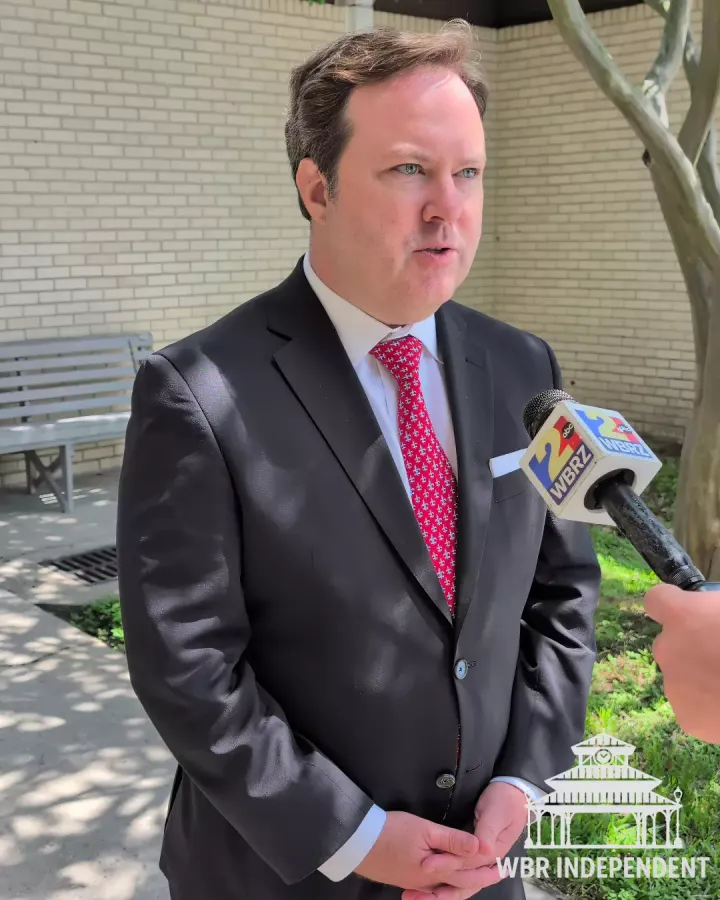
Bottom Line Up Front: Port Allen voters will decide November 15th whether to renew a 5.020-mill police department tax generating $285,000 annually—funding that Police Chief Donovan V. Mitchell says keeps patrol vehicles running and officers equipped, but won't improve the department's already-strong 3-5 minute response times.
The 10-year renewal would continue an existing tax Port Allen residents already pay for police department maintenance and operating expenses. Without renewal, the department faces serious budget limitations affecting staffing, equipment, and vehicle replacement, though current services would continue in the short term.
Where Your Money Goes
Chief Mitchell provided a detailed breakdown of how the $285,000 annual revenue is allocated:
- 49% Personnel costs ($139,650): Officer salaries, benefits, and overtime
- 30% Equipment ($85,500): Patrol vehicles, protective gear, technology upgrades
- 14% Operations ($39,900): Day-to-day police operations
- 7% Other ($19,950): Training and community policing initiatives
"Overall, 72% of the department budget already goes to personnel, leaving limited room for new hires or major equipment purchases," Mitchell explained. "With this money, it helps us replace aging vehicles, upgrade radios and protective gear, and potentially hire more officers."
The chief emphasized the tax funds essential operations: "It's what keeps patrol units running, radios working. Without this funding, even the best officers and equipment cannot respond effectively when residents call for help."
Maintaining Service, Not Improving It
Port Allen's police department already delivers response times that many larger departments would envy—averaging 2-3 minutes from call to arrival, though response times can range up to 5 minutes depending on officer location, traffic conditions, and incident location. Mitchell was straightforward that the tax renewal won't improve those times.
"They will continue to see improvements in officers' performance, visibility—meaning more officer presence," he said. "Consistent response times, being we will continue to get better equipment and better units which will help improve response times."
The distinction matters: this tax renewal maintains current service levels rather than expanding them. Voters aren't funding faster response or new programs—they're funding the equipment replacement and operational costs that keep current performance from degrading.
Staffing Below State Average
Port Allen's police department operates with 15 sworn officers—below both the chief's recommended staffing level and state averages:
- Current sworn officers: 15
- Recommended staffing: 22-25 officers
- State average: 4 officers per 1,000 residents
- Port Allen ratio: 3 officers per 1,000 residents
If the tax passes, Mitchell plans to hire 2-3 additional officers over the next year, though significant staffing gaps would remain even with those additions.
The understaffing affects more than just patrol presence. Current revenue limits expansion into specialized units like traffic enforcement or additional detectives—capabilities the department currently lacks.
Equipment Needs Drive Renewal
Mitchell outlined critical equipment needs that depend on tax renewal:
Patrol Vehicles: "Every 3-5 years we need to replace vehicles. Without this, it will delay the replacement process, causing more breakdowns and higher maintenance costs." The chief noted his department has been "pouring lots of funds into older patrol units that have been breaking as fast as we've been fixing them."
Communications: Radio systems are "currently dated," though body cameras remain up to date.
Officer Safety: Protective vests require replacement every 5 years, along with tasers and other safety equipment.
Technology: CAD (computer-aided dispatch) upgrades, in-car cameras, and GPS systems need ongoing maintenance and updates.
What Happens If It Fails
Mitchell was direct about the consequences of tax renewal failure: "Current services will continue, but over time the department will face serious budget limitations that affect staffing with officers, equipment, better vehicles, etc."
The failure wouldn't immediately eliminate police services—Port Allen would still have 15 officers responding to calls. But equipment degradation would accelerate, vehicle replacement would be delayed, and hiring additional officers would become impossible without cutting other city services.
Strong Accountability Measures Already In Place
Unlike some tax proposals that promise future oversight, Port Allen's police millage already operates under significant transparency requirements:
Annual Audits: Every year the city completes an audit filed through the Louisiana Legislative Auditor (LLA), showing how every millage dollar was spent. These reports are publicly available on the LLA website.
Oversight Structure: The police chief, CFO, mayor, and city council all monitor the dedicated funding.
Legal Protections: Louisiana state law prohibits the city from diverting dedicated police millage funds to other uses. The funds remain in a separate account and are audited annually.
Public Access: Residents can access spending reports through public records requests, the same process used for the current tax period.
Performance Tracking: The department reports annually on response times, patrol coverage, crime trends, staffing levels, and equipment updates.
Mitchell emphasized the accountability mechanism built into the renewal: "Even if the crime rate does not significantly drop right away, the police department must show clear results like quick yet consistent response times, more patrols, better equipment. The millage is reported annually and reviewed by the state auditor and city council, so residents will be able to see exactly how their tax dollars are improving public safety."
Additional Funding Sources
The tax renewal isn't the only funding strategy. Mitchell confirmed he's actively pursuing grants: "I already started working towards getting the upcoming grants—state and federal—for 2026."
These additional funding sources could supplement the millage revenue for specific equipment purchases or programs, though the chief didn't provide details on grant amounts or purposes.
Five-Year Vision
When asked about his long-term vision for the department, Mitchell said he'd "like the department to grow by adding more divisions to give officers more" specialized capabilities. The tax renewal represents one piece of that growth strategy, though he acknowledged: "It is not [a permanent solution], but it helps out the police department tremendously, and I'll cross that bridge when it's time. Right now I am focused on what is in front of me."
Public Input Process
Mitchell acknowledged no public meetings have been held yet specifically about the tax renewal, though he plans to address it at upcoming committee meetings and neighborhood gatherings. He characterized the proposal as shaped by "what residents and local leaders said matters most."
The chief encouraged residents to attend these upcoming discussions to ask questions and provide input before the November vote.
The Bottom Line
For residents concerned about tax burden, Mitchell offered this perspective: "Truthfully, this tax is the most responsible way to fund the equipment, officers, and technology Port Allen needs without taking money from other city services. Every local dollar stays, is publicly reported, and directly improves community safety."
The renewal represents a straightforward choice: continue funding police operations at current levels, or force the department to operate with aging equipment and below-average staffing while maintaining the same service expectations.
The Vote
When: November 15, 2025
Early Voting: November 1-8, 2025
What: Renewal of 5.020-mill tax for police department maintenance and operating expenses
Duration: 10 years (2026-2035)
Annual Revenue: $285,000
Total Over Term: $2,850,000
Ballot Question: Shall the City of Port Allen be authorized to renew the levy and collection of a tax of 5.020 mills on all property subject to taxation in the City for a period of ten years, beginning with the year 2026 and ending with the year 2035, with the proceeds to be dedicated and used for the purpose of paying the maintenance and operating expenses of the City Police Department?
For more information about the tax renewal or to request spending reports from the current tax period, contact Port Allen City Hall during regular business hours or attend upcoming committee and neighborhood meetings where Chief Mitchell will present details.