The Battle for Brusly's Last Memory
Historic St. Francis Hall faces demolition as families race to save 159-year Louisiana heritage
Four weeks. That's how long descendant families have to save the last physical remnant of a lost Louisiana river community that housed hundreds of residents across nearly a century.
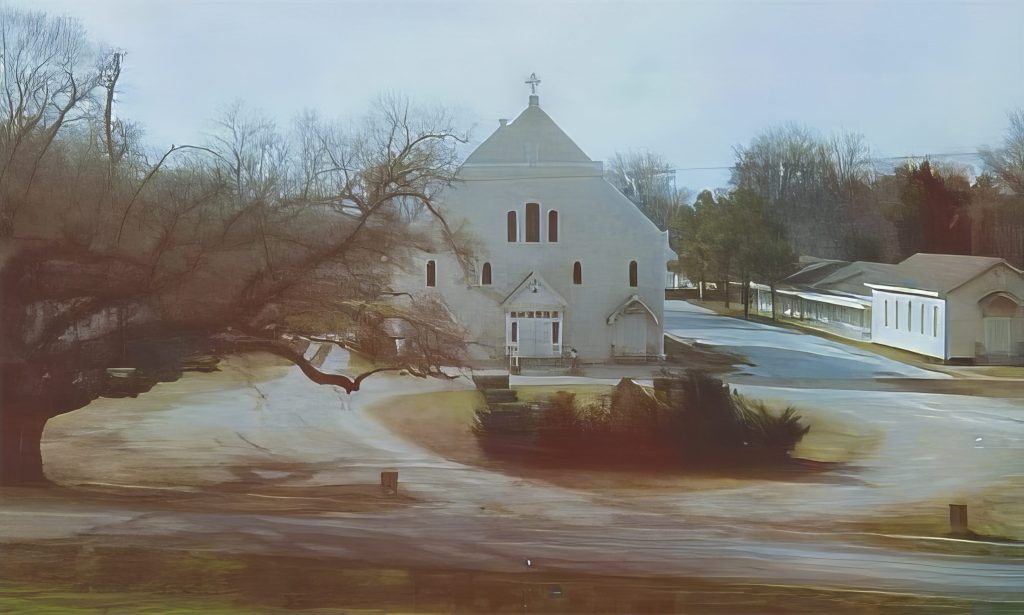
BRUSLY, La. — In a small building behind St. John the Baptist Catholic Church, 159 years of Louisiana history hangs in the balance. St. Francis Hall, the sole surviving structure from the lost community of Sardine Point, faces demolition within weeks unless descendant families can mount a last-minute preservation effort.
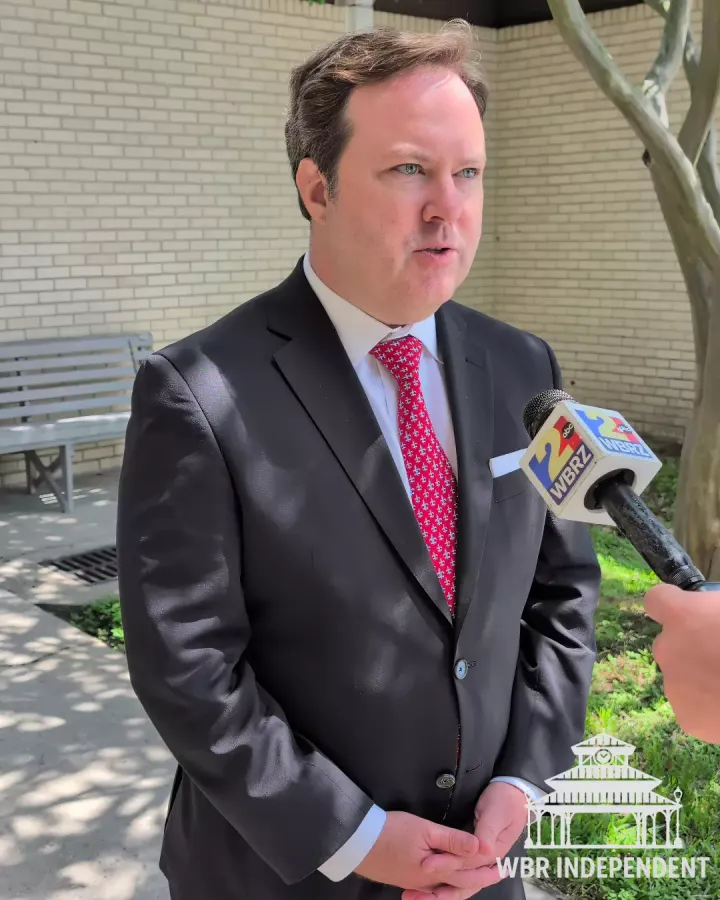
Recent developments suggest the immediate demolition threat may be easing, but the building's future remains uncertain. Mike Prejean, a member of the church's Parish Council, told WBR Independent that "everything with demolition on the building is on hold until further discussion" and that there will be additional meetings with parishioners about the building's fate.
Danny Rabalais, who oversees the church's construction projects, confirmed that the diocese has received an application for renovation of both the main CCD building and St. Francis Hall. He acknowledged that "there is some effort by some people to maybe remove the building and move it onto adjacent property, but that's not official and it's not really in our plan."
Despite the apparent pause in demolition plans, L.J. Dupuy, who is leading the family preservation effort, maintains urgency is still needed. "We need to get our ducks in a row and build public pressure," Dupuy said.
More Than Just a Building
What hangs in the balance is more than a 93-year-old hall. St. Francis Hall represents the last tangible connection to Sardine Point, a thriving Mississippi River community that was home to hundreds of Louisiana families from the 1880s until federal flood control projects forced its complete abandonment in 1932.
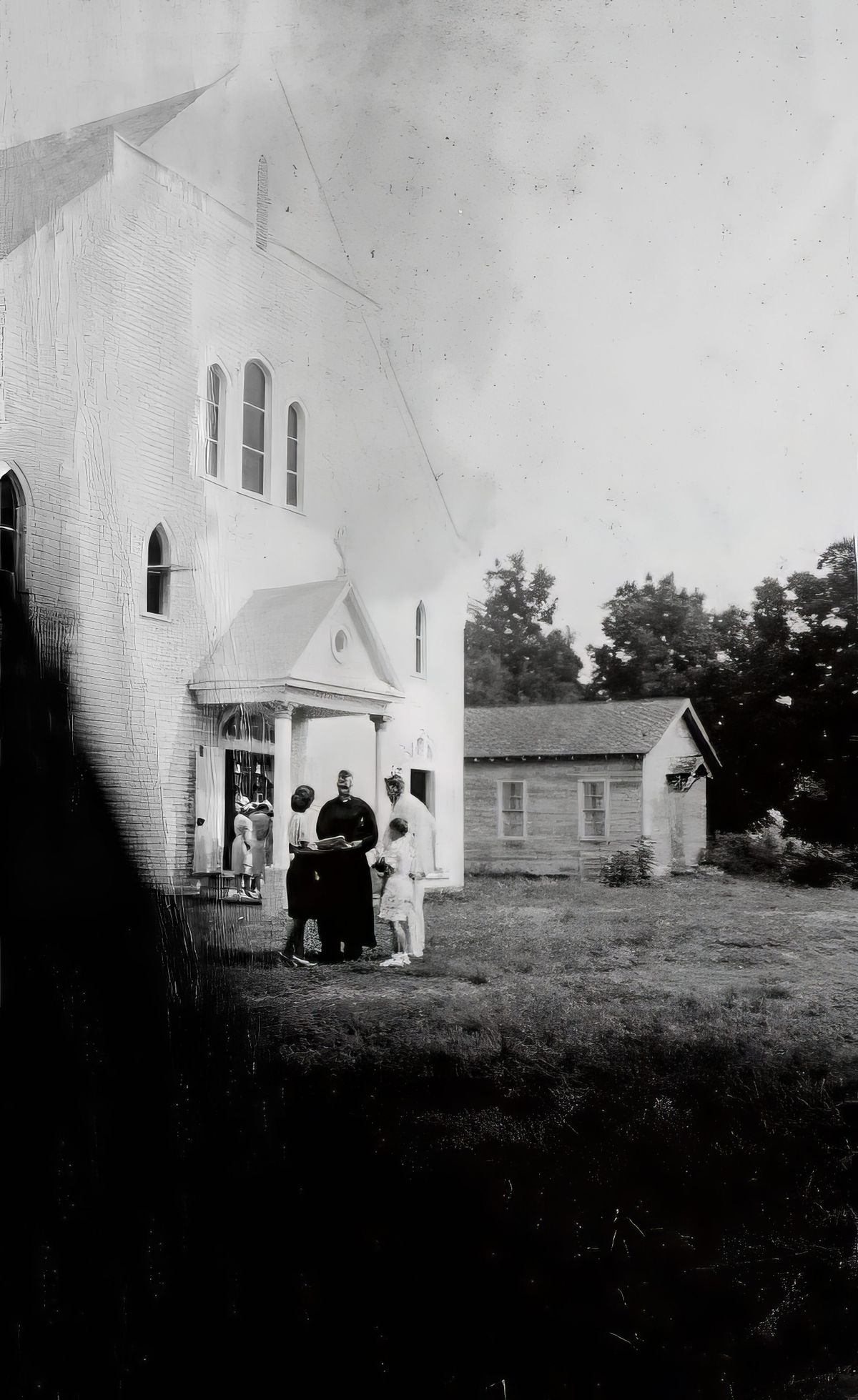
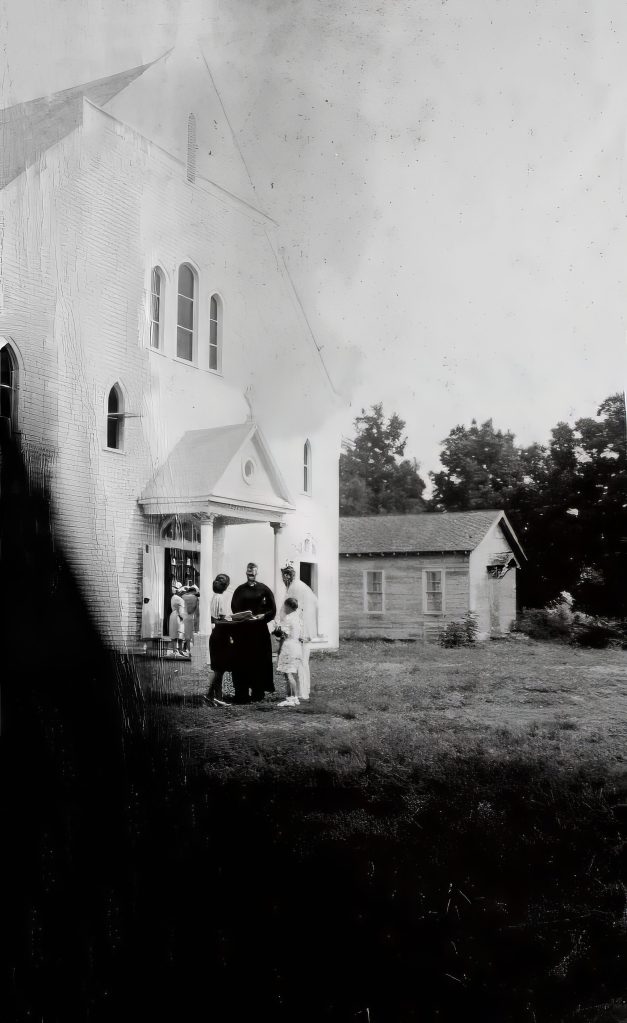
The building itself tells an extraordinary story of preservation. When the U.S. Army Corps of Engineers' new levee system cut across the neck of the Sardine Point peninsula in 1932, making the community uninhabitable, families launched a massive effort to save what they could. The St. Francis of Assisi Chapel was literally moved with "horses pulling the houses with logs and cables," according to descendant accounts and historical documentation.
"That's where I first went to catechism classes, First Communion training," remembers Billy Hebert, whose great-grandmother Marie Corinne Hebert Arbuckle Tullier lived at Sardine Point. "My aunt's memorial service was held in that little hall. Brusly needs its memories."
A Sacred Heritage at Risk
The historical significance extends far beyond local nostalgia. Sardine Point was officially recognized as a Catholic mission, listed in the 1911 Official Catholic Directory as "Missions—Sardine Point, St. Francis of Assisi." The community supported not one, but two religious congregations: the Catholic chapel and Rock Zion, an African American church organized in 1893 that still operates today at a different location.
Oral histories document the chapel's active religious life. George Hebert, interviewed in 1996, recalled serving as an altar boy who traveled to Sardine Point with priests. Russell J. Comeaux, in a 2001 oral history for the Brusly Centennial Project, provided eyewitness testimony to the building's physical relocation in 1932.
In the historical photographs preserved by descendant families, St. Francis of Assisi Chapel appears as the smaller community building, always serving alongside but distinct from the main parish church. These images document not just architecture but a community's commitment to preserving their gathering place - a commitment their descendants continue today.
The community that built these churches had emerged from documented violence. Newspaper accounts from the 1860s-1880s record deaths from industrial accidents, criminal violence, and childhood tragedies at Australia Plantation on Sardine Point. The establishment of both churches in the late 1880s and early 1890s represented a community's response to trauma through faith and mutual support.
Racing Against Time
Today's preservation effort involves a coordinated network of descendant families who have maintained detailed historical records across the decades since displacement. Debbie Spragio Dupuy preserves original property maps and the 1932 government relocation document. Liz Martin holds historical maps showing extensive Hebert family presence. Paul Tullier and other family members are actively seeking involvement in preservation efforts.
The families have built a documentation network spanning multiple generations, cross-referencing property maps, government documents, and personal records. Kay Landry Rumfola, who had her bridal shower at St. Francis Hall in the 1980s, represents the building's continuing role in family milestones. This coordinated effort shows the preservation battle isn't led by one person, but by multiple families working together despite being scattered since the 1932 displacement.
The families face an evolving challenge: while immediate demolition appears postponed, the building's long-term fate remains unresolved. Church leadership has applied to the diocese for renovation funding, but relocation efforts by families are "not official and not really in our plan," according to project oversight.
Former Brusly Town Council member Joanne Bourgeois, who has been collecting oral histories of the area, understands what's at stake. The building has served continuously as a community gathering place, hosting everything from wedding receptions to memorial services, religious education to parish meetings.
What Happens Next
The clock is ticking toward an asbestos remediation process that would effectively seal the building's fate. For the descendant families, this represents more than the loss of a building—it's the potential end of their ability to physically connect with their displaced heritage.
An African American researcher is currently preparing a 2026 museum exhibit on Sardine Point's African American origins, but that project could lose crucial context if the last physical remnant disappears.
Bobby Williamson, possibly the last person born at Sardine Point in February 1932, may still be alive at approximately 92 years old. The question facing the community is whether the building that represents his birthplace will survive to see another generation.
The preservation effort needs continued public support as the building's future remains in discussion. Families have launched a petition at Change.org calling for community support to save the building.
While immediate demolition has been paused, the ultimate fate of St. Francis Hall depends on ongoing discussions between church leadership, parishioners, and the descendant families who've fought to preserve their heritage for nearly a century.
Whether these discussions will honor the extraordinary 1932 preservation effort—when families literally moved heaven and earth to save their chapel—or whether 159 years of Louisiana heritage will ultimately be lost, remains to be determined.
This is the first article in a four-part series examining the battle to preserve St. Francis Hall and the extraordinary history of the Sardine Point community. Next week: The complete 159-year story of Louisiana's lost river community.
Contact the Editor: Do you have information about Sardine Point, St. Francis Hall, or heritage preservation efforts? Email editor@wbrindependent.com
#WBRIndependent #SardinePoint #BruslyHistory #HeritagePreservation