The Legacy of Edward Searcy Echoes Through West Baton Rouge
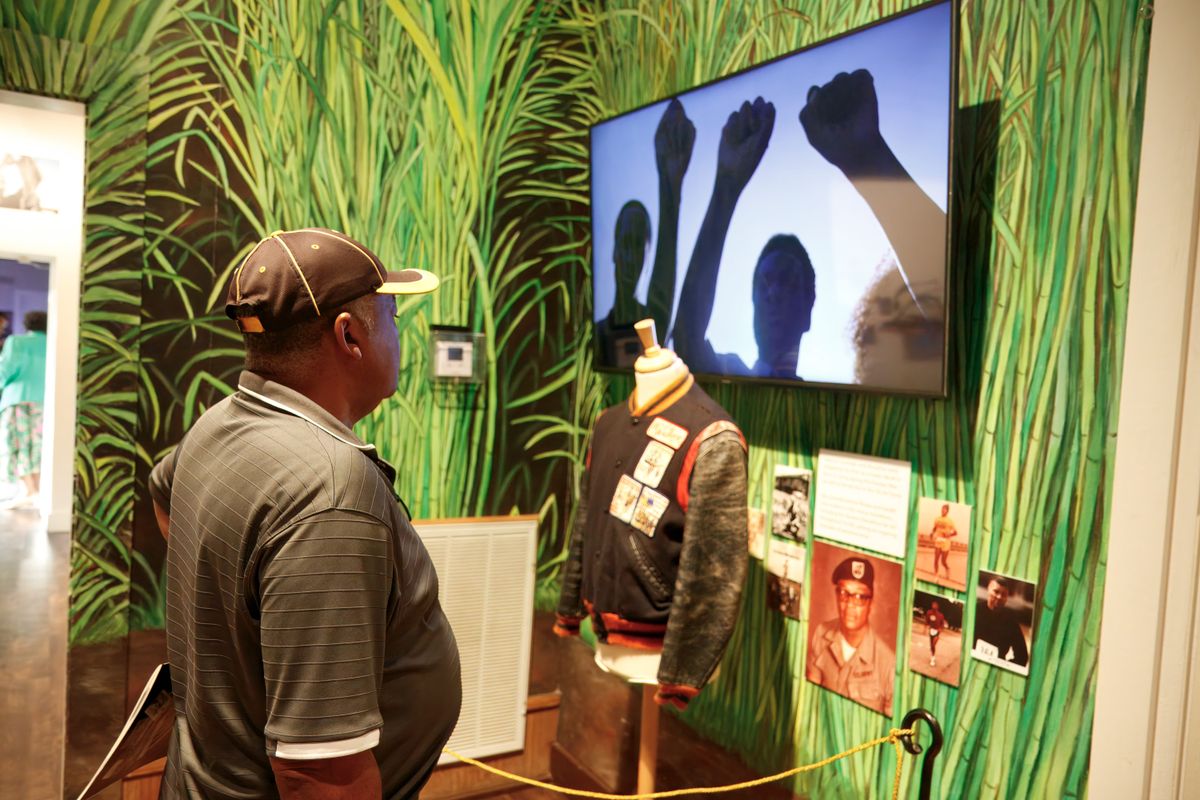
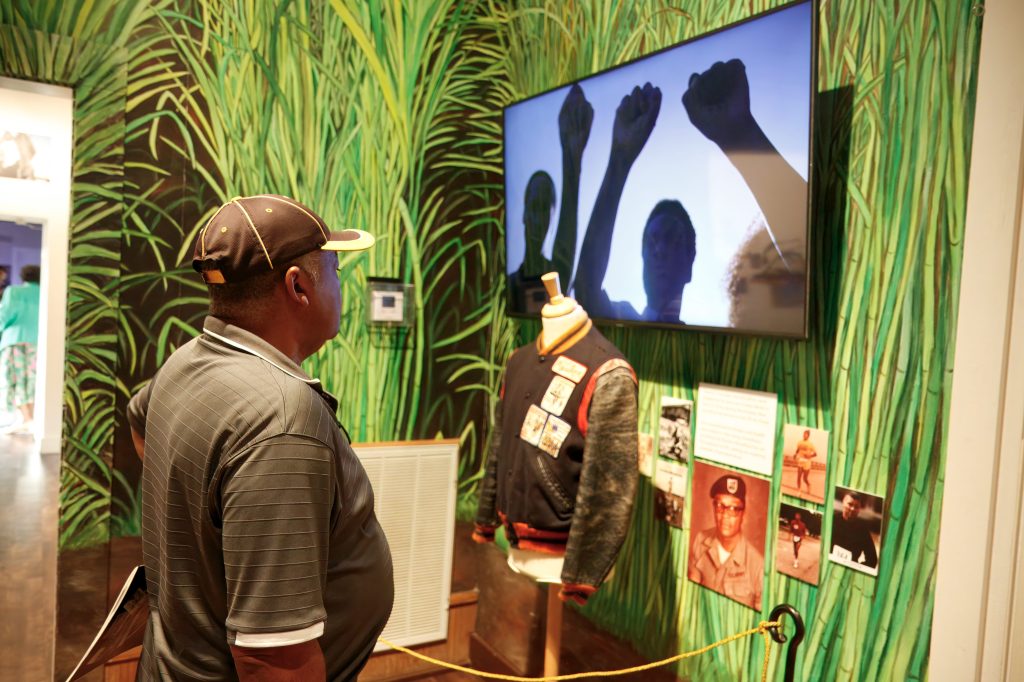
West Baton Rouge Museum in Port Allen, LA
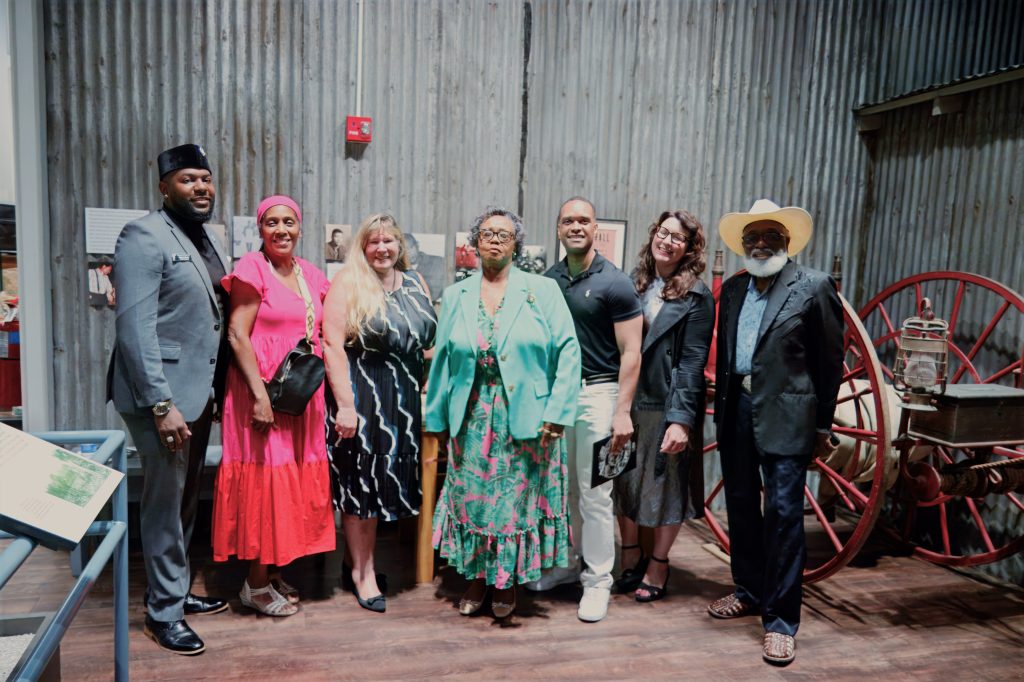
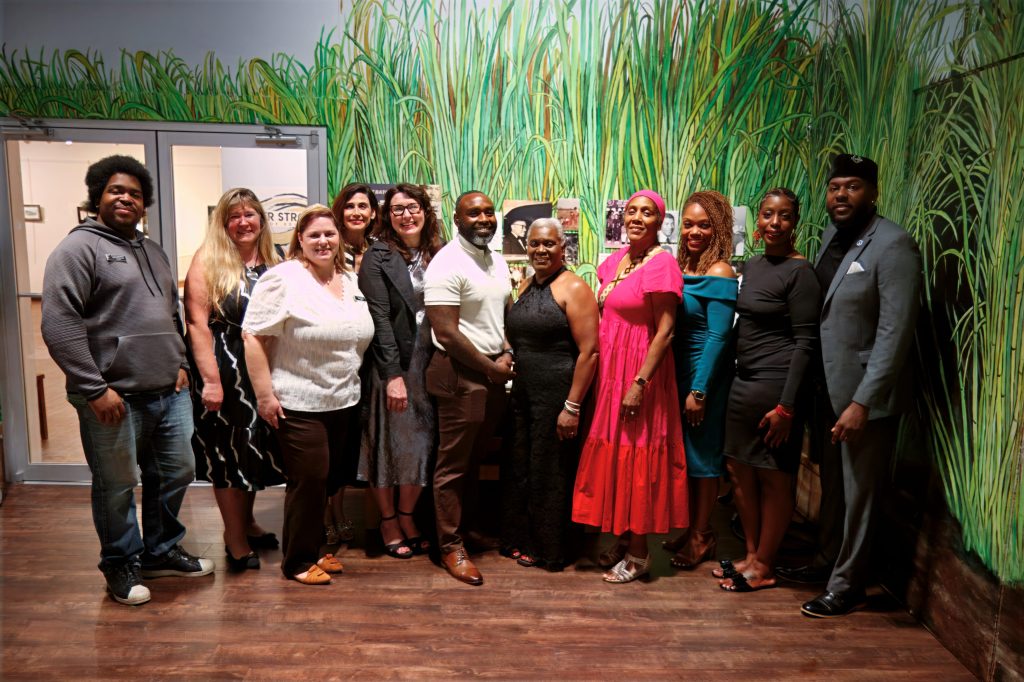
The chairs were full, and the room at the West Baton Rouge Museum was alive with conversation, laughter, and quiet reverence. Community members had come together to celebrate the closing of an exhibit—not as an ending, but as a tribute to a life that continues to ripple through West Baton Rouge Parish: the life and legacy of Edward Searcy.
This wasn’t just a ceremony. It felt like a homecoming. A gathering of people who had been touched—directly or indirectly—by a man who served as an educator, veteran, civil rights leader, and quiet force for good for more than half a century.
Shelton Berry, who curated the exhibit, welcomed the audience with humor and heart, asking the crowd if the food was good, if the music moved them, and if they felt blessed. Then he introduced Joycelyn Green, a 1966 graduate of Cohn High School and board member at the museum.
“We do not want his memory to die out,” Green said. “Join in the fight. Take the time. Help us uncover and preserve this community’s buried stories—literally, like the cemeteries hidden in fields—and spiritually, like the stories we forget to pass down.”
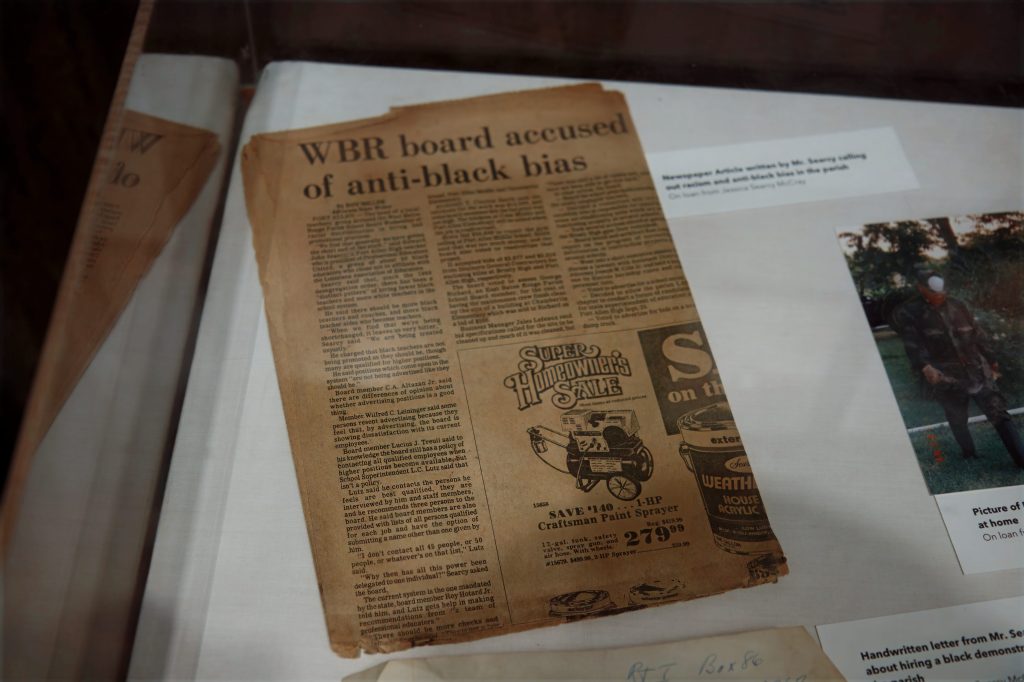
The room grew quiet as a member of the Searcy family—his daughter—took the mic. What followed was a heartfelt portrait of “Daddy,” the man behind the history books. She shared warm, funny stories of snakes brought home for biology class, a legendary sweet tooth, and his insistence that every grandchild call him “Daddy”—not Grandpa.
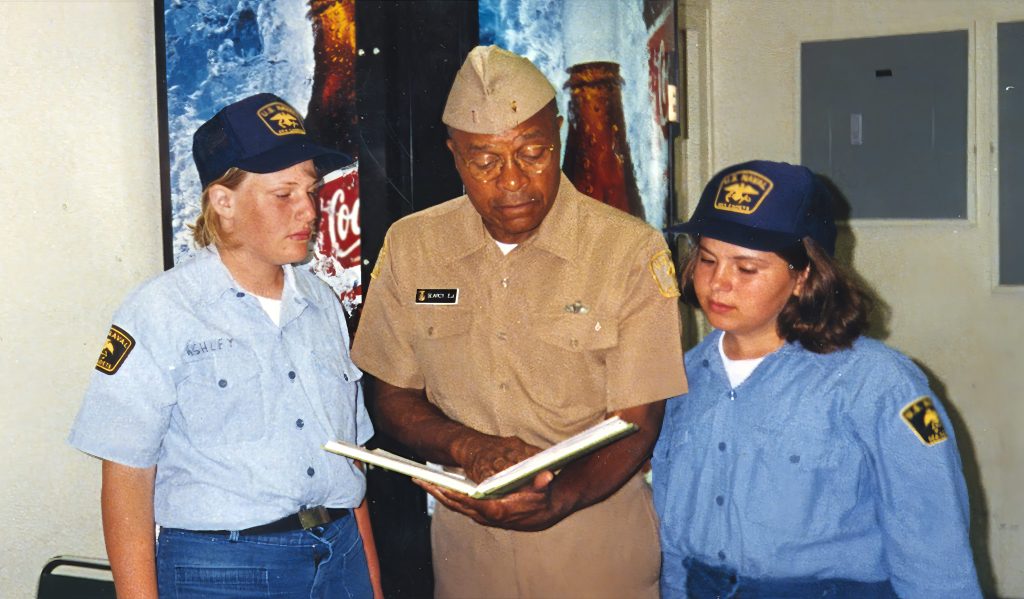
He bought gifts for students who succeeded—not just praise, but tangible encouragement: watches, bikes, and thoughtful surprises. But he never sought credit.
“He did it for a lot of people,” she said. “But he didn’t tell us. That was between him and them.”
Shelton Berry returned to share his own personal connection. During the exhibit research, he learned that Mr. Searcy had once helped integrate the National Food Store—securing a job there for Berry’s mother when she was raising a young Shelton and his brother.
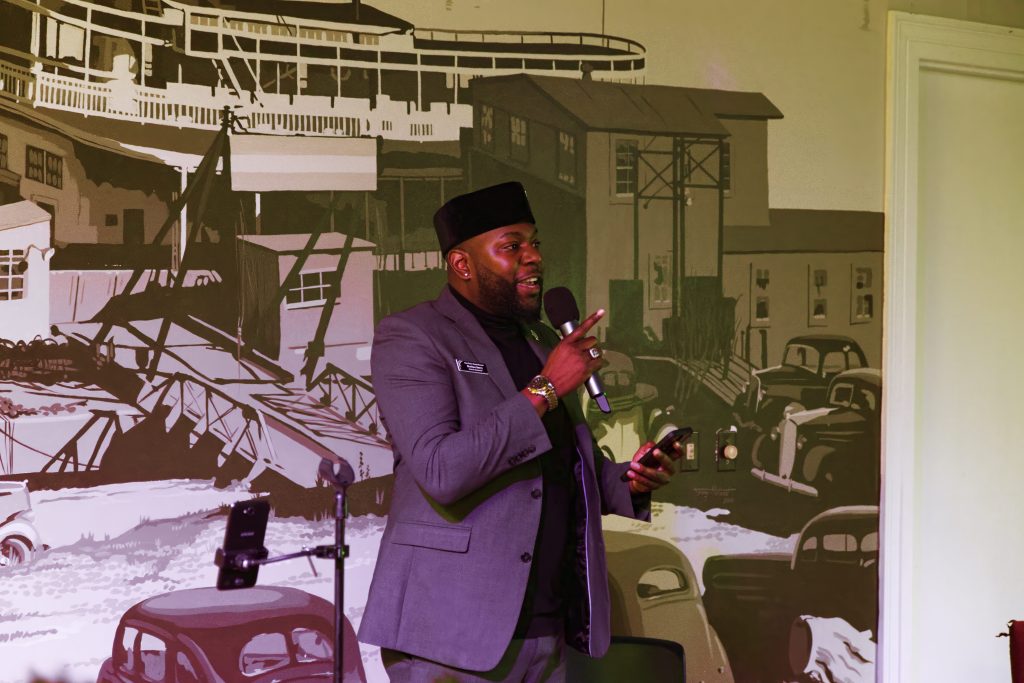
“That was activism,” Berry said. “And I wouldn’t have known that if we hadn’t done this exhibit.”
The program honored community sponsors who supported both the exhibit and the reception, including LA FORCE, Winfield, Phil & Rahal, and Brown’s Café—which had historically supplied food during the original boycotts Searcy led. As Berry noted with a smile, back then protestors carried brown paper bags with a piece of chicken, some potato salad, and a roll. The same meal was served that afternoon.
As the event drew to a close, Berry quoted Muhammad Ali:
“Service to others is the rent we pay for our room here on earth.”
Then added,
“If that’s true, Mr. Edward Searcy paid his rent in full—and then some.”
The program ended, but no one rushed out. The band played. Friends embraced. Memories were shared between bites of food. The exhibit may have ended, but the legacy it celebrated was alive in that room—and will live on in the lives he touched.
Edward Searcy’s story now belongs to all of us. And it’s one we must keep telling.