The Lost Community of Sardine Point
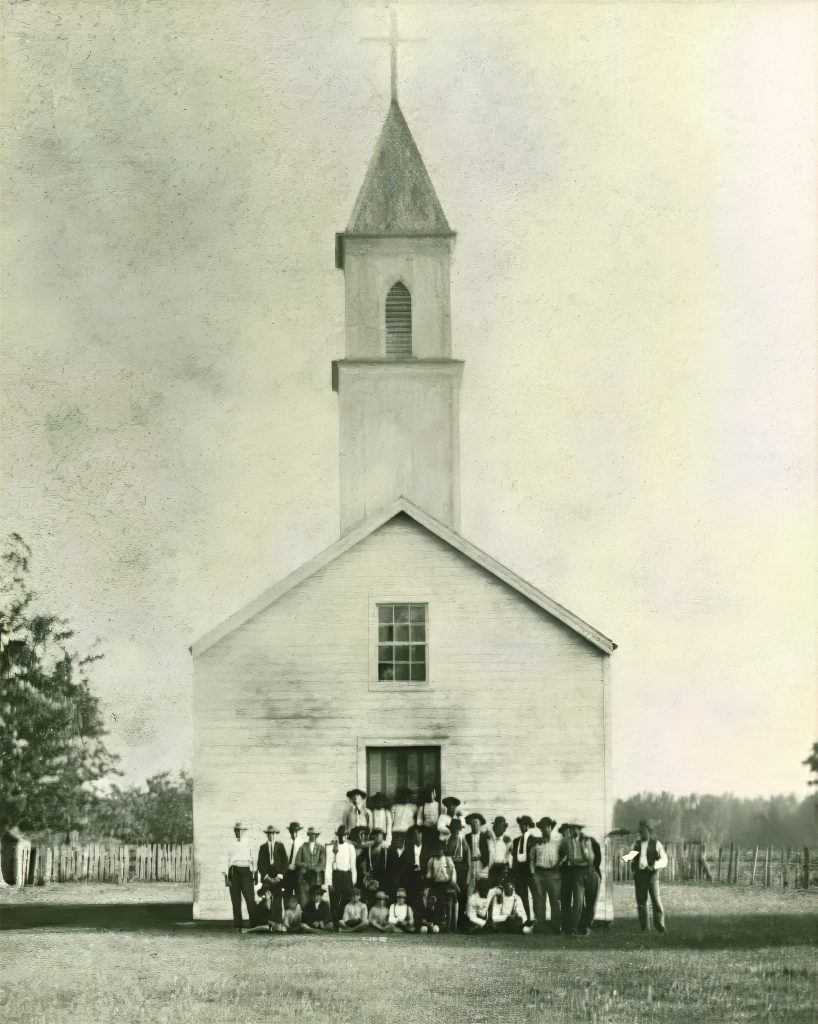
How 159 years of Louisiana history disappeared beneath federal flood control
From 1866 to 1932, Sardine Point was home to hundreds of Louisiana families who built two churches, raised children, and created a thriving river community on a Mississippi River peninsula. Then the federal government made it disappear forever.
This is the second article in a four-part investigative series examining the battle to preserve St. Francis Hall and the extraordinary history of the Sardine Point community.
BRUSLY, La. — Before there was a preservation battle, before there was a St. Francis Hall in Brusly, there was Sardine Point—a bustling Louisiana river community that thrived for nearly half a century until federal flood control policies erased it from the map.
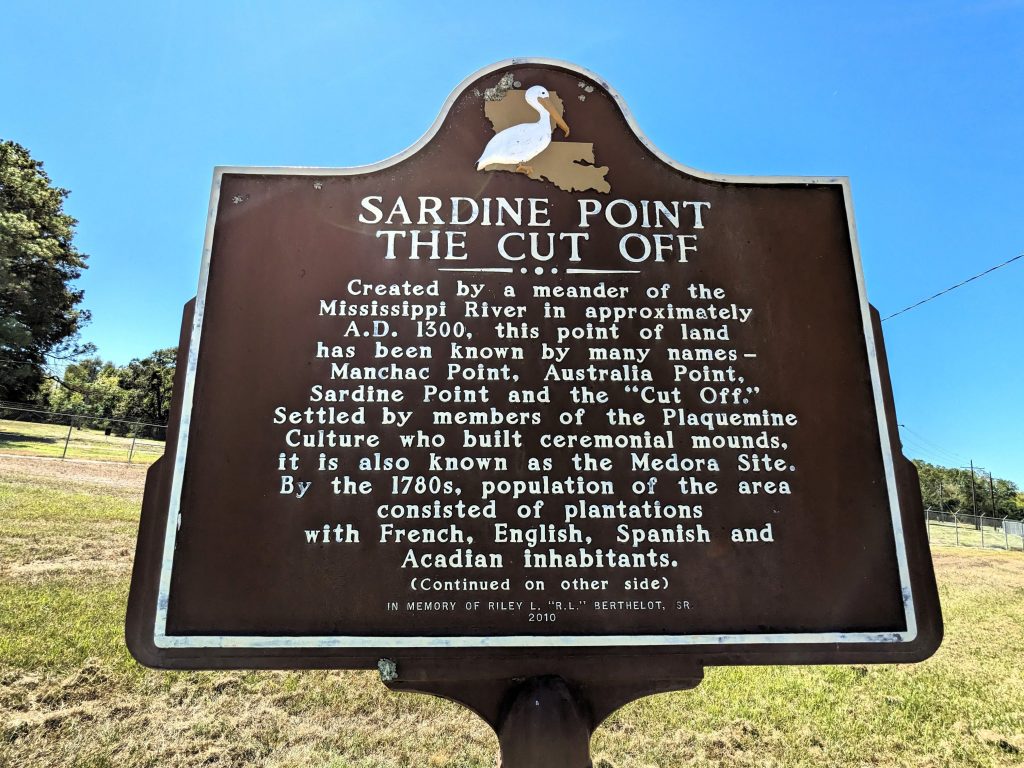
The community that would eventually build two churches and house hundreds of families had deep roots extending back centuries. Archaeological evidence shows the area was first settled by members of the Plaquemine Culture who built ceremonial mounds, making it also known as the Medora Site. European settlement began in the 1700s with colonial land grants, establishing a continuous presence that would span over 200 years.
But it was from documented post-Civil War violence and tragedy that the modern community emerged. From that trauma, residents created something remarkable: a place where Catholic and African American congregations shared the same homeland, where children learned their faith, and where families built lives that would span multiple generations.
Today, as descendant families fight to save the last physical remnant of their heritage, the full story of Sardine Point reveals what was truly lost when the federal government prioritized flood control over community survival.
Violence Breeds Community
The story begins with death. In 1866, the Sugar Planter newspaper reported a grim discovery at Sardine Point: a coffin containing a human body had been found. It was an early harbinger of the violence that would mark the area throughout the post-Civil War period.
Australia Plantation, which occupied much of the Sardine Point peninsula, became the site of repeated tragedies documented in Louisiana newspapers. In 1887, the Times-Picayune reported a boiler explosion that killed a worker. Two years later, the same newspaper covered the deaths of children in a cart accident, followed by a murder trial connected to the incident.
These weren't isolated events but part of a pattern of industrial violence and social upheaval that characterized the dangerous working conditions and social tensions of Reconstruction-era Louisiana. Australia Plantation, like many sugar operations, was a place where fortunes were made and lives were lost.
But from this violence, something extraordinary emerged: a community's response through faith and mutual support that would create one of Louisiana's most remarkable interfaith settlements.
The Founding Families and Their Community
By the 1880s, Sardine Point had attracted French, Spanish, and Acadian settlers who established plantations and family homesteads along the river. Among the prominent families were the Tulliers (including Joseph, Dorval, Vincent, and C.T. Tullier), the Comeaux family led by Victorin Comeaux, the Heberts including Nicolas Hebert and the extended Hebert-Arbuckle-Tullier connections, and the Bourgoyne family.
These families didn't just live alongside each other—they intermarried, shared resources, and built what the West Baton Rouge Museum describes as "a thriving self-supporting community with homes, a school, a Catholic church and stores." Russell Comeaux, who lived at Sardine Point as a child in the 1920s, recalled: "We had a lot of people. It was like the little town." His grandfather Victorin Comeaux operated a store there and "had pretty good little business right there on the point."
The community was connected to the outside world by an old gravel road, as George Hebert remembered: "they'd come out over there and go out on the road all the way to Sardine Point on that road."
Two Faiths, One Home
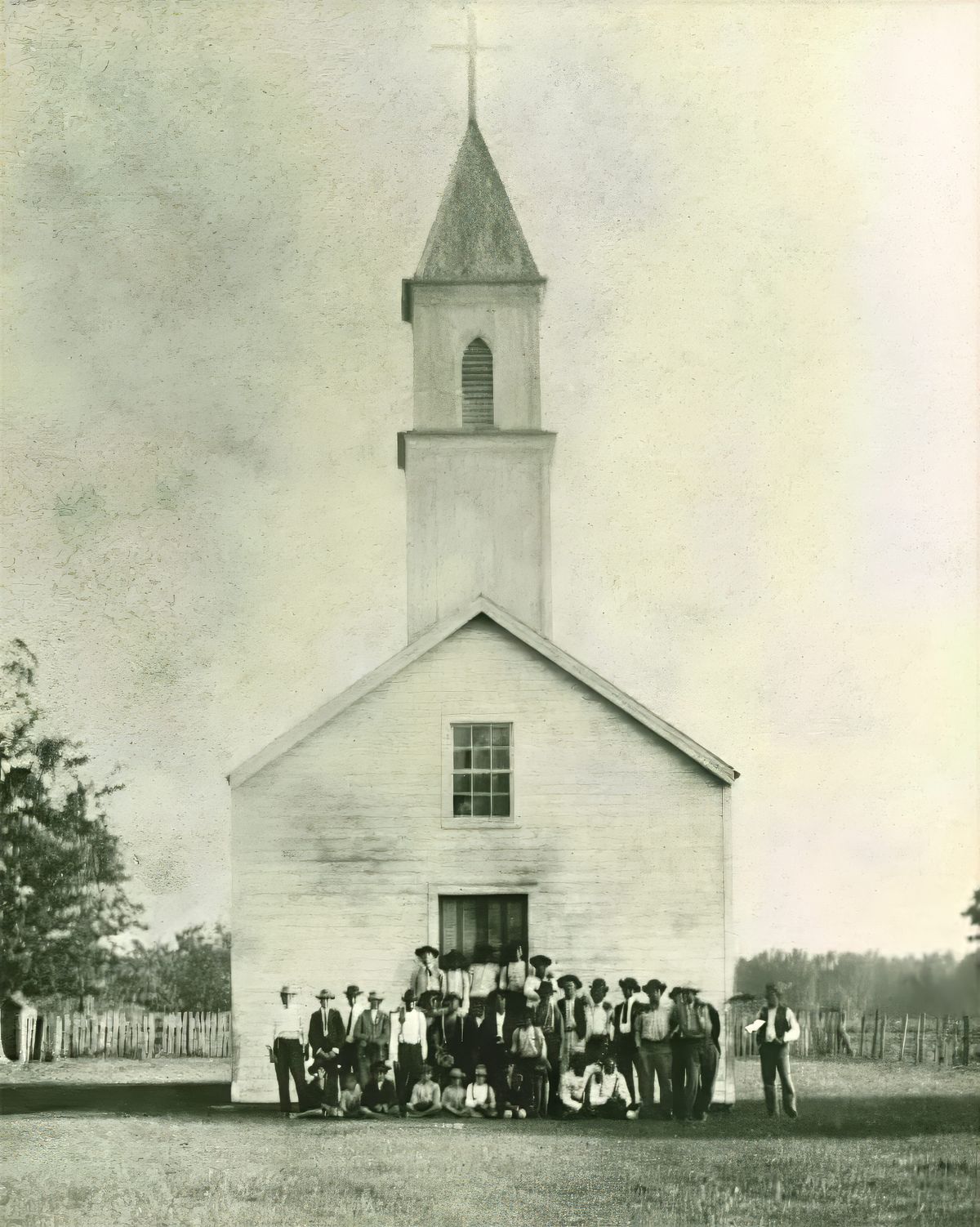
In 1888, just one year after the deadly boiler explosion, Catholic families established the first St. Francis of Assisi Chapel at Sardine Point, built on land donated by V.M. LeFebvre and adjoining the Australia plantation. By 1929, the community had grown enough to warrant a larger, more centrally located chapel. This second St. Francis of Assisi Chapel was blessed by Archbishop J.W. Shaw himself, who "had most generously contributed to build it" and "came in person to bless it," according to the Chronicles of West Baton Rouge.
Five years after the first chapel's construction, in 1893, African American families organized Rock Zion on what was then called Australia Point, later known as "Saint Picket."
The proximity wasn't accidental. Both communities were responding to the same environment of violence and uncertainty by creating sacred spaces where families could gather, children could learn, and faith could provide stability in an unstable world.
The Catholic Mission
St. Francis of Assisi wasn't just a local chapel—it was an official Catholic mission, listed in the 1911 Official Catholic Directory as "Missions—Sardine Point, St. Francis of Assisi." This official recognition demonstrates the community's significance within the broader Catholic Church structure.
The chapel served active religious life documented in oral histories preserved by descendant families. George Hebert, interviewed in 1996, recalled serving as an altar boy who traveled to Sardine Point with priests from the main parish. The 1929 construction of a second, larger chapel, blessed by Archbishop J.W. Shaw himself, showed the growing Catholic population's needs and the church's commitment to the community.
Families like the Heberts, Dupuys, Tulliers, and others built not just a chapel but a complete Catholic community life. Children received First Communion training, families gathered for Mass, and the chapel served as the spiritual center for Catholics scattered across the river peninsula.
Rock Zion's Foundation
The African American community's response was equally organized and ambitious. In 1893, Rock Zion was organized on Australia Point. By 1894, families had formed a corporation to purchase land and build not just a church, but a complete community infrastructure: church, school, and cemetery.
Rev. Major Deloche served as the first pastor from 1894 to 1918, providing nearly a quarter-century of spiritual leadership. The Louisiana historical marker that commemorates Rock Zion today confirms its Sardine Point origins, though the church now operates at 3741 Addis Lane after multiple relocations.
The establishment of both a school and cemetery alongside the church shows the African American families' intention to create a permanent, multi-generational community. They weren't just building for themselves but for their children and grandchildren.
Life on the Peninsula
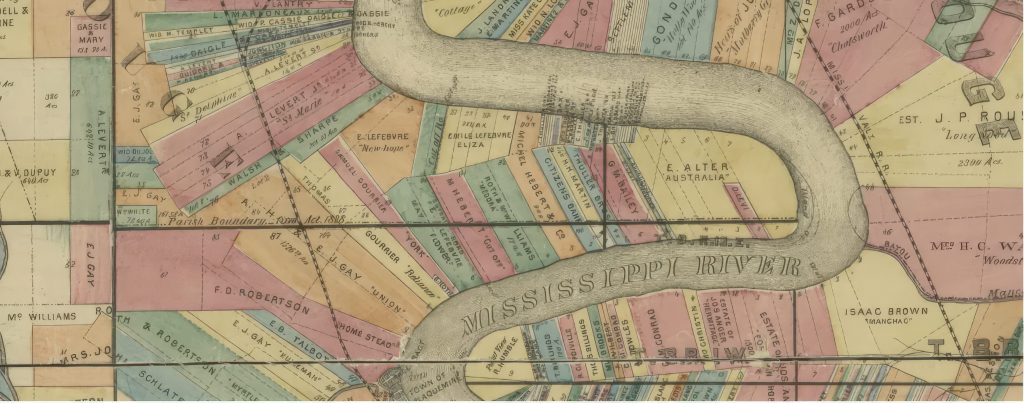
The 1858 Persac Map provides remarkable detail about Sardine Point's geography and property ownership, showing how the founding families—Tulliers, Comeaux, Heberts, and Bourgoynes—organized themselves on the Mississippi River peninsula. The community was bounded by the river on three sides, creating a natural geographic unity that fostered close relationships between neighbors who had intermarried and shared resources across generations.
Families built homes, raised children, and created the daily life of a working river community. Men worked on the plantations, on riverboats, and in related industries. Women managed households and raised children who would remember Sardine Point as their true home even decades after displacement.
The community supported both religious congregations, with families attending services, children receiving education, and the churches serving as centers for community gatherings and celebrations. Wedding receptions, funeral services, religious education, and community meetings all took place in these sacred spaces.
Shared Heritage, Separate Congregations
What makes Sardine Point remarkable in Louisiana history is how Catholic and African American families shared the same geographic homeland while maintaining their distinct religious traditions. This wasn't integration in the modern sense, but it was a form of peaceful coexistence that allowed both communities to thrive.
Both congregations faced the same environmental challenges: flood risks, economic uncertainty, and the changing political landscape of post-Reconstruction Louisiana. Both communities responded by building institutions designed to preserve their faith and culture across generations.
The children who grew up at Sardine Point would carry memories of both communities, understanding that their peninsula home had been a place where different groups of people created sacred spaces in response to shared challenges.
Federal Flood Control Changes Everything
By the 1920s, the federal government's approach to Mississippi River flood control began threatening communities throughout Louisiana. The U.S. Army Corps of Engineers' new levee system required vast land areas and would fundamentally alter the river's relationship with surrounding communities.
For Sardine Point, located on a peninsula that jutted into the Mississippi River, the new flood control plans were devastating. The proposed levee system would cut directly across the neck of the peninsula, making the entire community uninhabitable and inaccessible.
The 1932 "Land Measurement" document, preserved in family archives, lists 23 families who were displaced when the federal flood control project was implemented. These weren't just statistics—they were people with deep roots, established homes, and community connections spanning decades.
The End of an Era
When the Army Corps of Engineers' levee cut across Sardine Point in 1932, it didn't just change the geography—it ended a way of life. The community that had emerged from post-Civil War violence, built two churches, and housed hundreds of families across nearly half a century was suddenly uninhabitable.
Rock Zion relocated and eventually found its current home at 3741 Addis Lane, where it continues to serve the African American community today. But the congregation couldn't advocate publicly for Sardine Point preservation due to concerns about their current property arrangements.
The Catholic families faced a different challenge: their chapel was too important to lose, but they had nowhere to move it. The building that had served as their spiritual center, where children learned their faith and families celebrated milestones, faced destruction unless someone could figure out how to save it.
As Russell J. Comeaux would later document in his 2001 oral history, the families made an extraordinary decision: they would move heaven and earth—literally—to save their chapel.
Legacy of Loss and Preservation
Today, St. Francis Hall in Brusly stands as the sole physical remnant of a lost world. But the story of Sardine Point reveals what that remnant represents: not just a building, but the last tangible connection to a place where families built lives, children learned faith, and two religious communities shared a homeland.
The violence that marked Sardine Point's early years gave way to faith, community, and the kind of deep-rooted connections that families maintain across generations. When federal policy eliminated their homeland, the families' response was characteristically determined: save what can be saved, preserve what can be preserved, and never forget where they came from.
An African American researcher is currently preparing a 2026 museum exhibit on Sardine Point's African American origins, but that project could lose crucial context if St. Francis Hall—the last physical remnant of the shared homeland—disappears.
Bobby Williamson, possibly the last person born at Sardine Point in February 1932, represents the final living link to the community that federal flood control erased. Whether the building that connects to his birthplace will survive depends on the same kind of family determination that built two churches on a river peninsula nearly 140 years ago.
The story of Sardine Point isn't just local history—it's a chapter in the larger story of how federal policy shaped Louisiana communities, how families respond to displacement, and how sacred spaces become the focal points for preserving heritage across generations.
Community Meeting Announced
UPDATE: St. John the Baptist Catholic Church has announced a public meeting on Wednesday, June 25th at 6:00 PM regarding the building project. The meeting is open to everyone concerned about the potential demolition of St. Francis Hall and how the building project has been handled.
This represents an opportunity for community members to learn more about the church's plans and voice their concerns about preserving the last physical remnant of the Sardine Point community.
Petition by the Community: https://www.change.org/p/oppose-demolition-of-st-francis-hall?
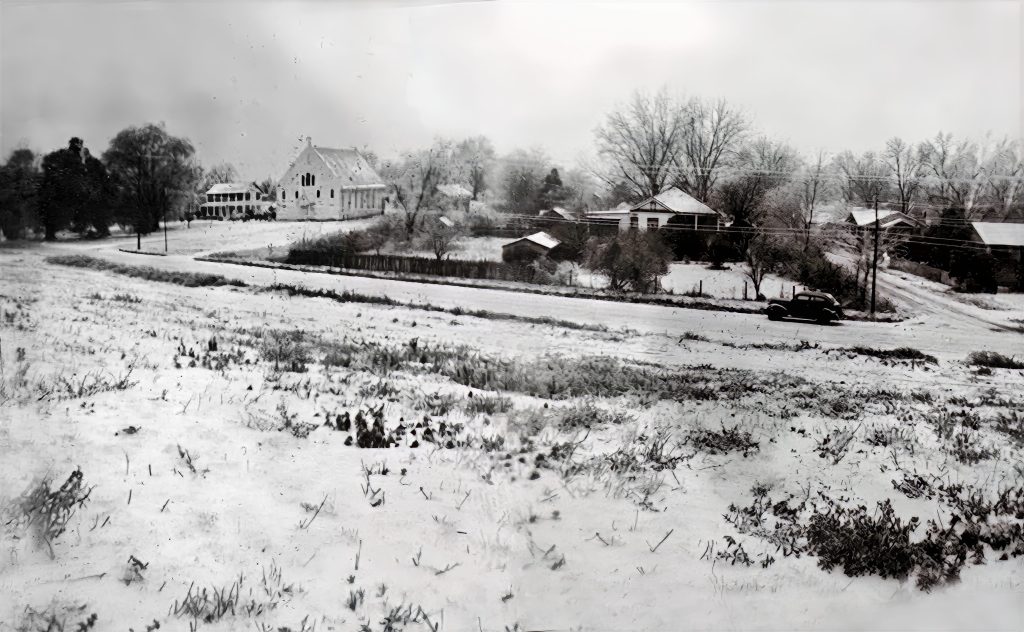
Next week: "Moving Heaven and Earth" - The extraordinary 1932 effort to save St. Francis Chapel and the precedent it set for today's preservation battle.
Contact the Editor: Do you have information about Sardine Point, family history, or heritage preservation? Email editor@wbrindependent.com