WBR Drainage Tax: Voters Weigh Reactive Pattern Response Against Funding Request
Executive Summary
West Baton Rouge Parish voters will decide November 15th whether to renew the 7.2-mill drainage tax that failed in March. This isn't just about funding drainage—it's about whether current management approaches have earned another decade of taxpayer support.
What's on the Ballot:
- The Ask: 7.2-mill drainage tax for 10 years
- The Cost: About $126/year for a $250,000 home (after homestead exemption)
- What It Funds: 700 miles of drainage canals and ditches parish-wide
The Budget Contradiction: Parish budget documents show "ROLLED BACK 1 MILL" for 2026, reducing drainage tax collections from $5,132,683 (2024 actual) to $4,588,000 (2026 projected)—a $544,683 reduction—while simultaneously telling voters drainage funding is critical. The official VisionWEST mailer claims the tax "generates nearly $6 million," but 2026 budget documents show total drainage revenue at $4,912,000—approximately $1.1 million less than the mailer suggests.
The Leadership Record: Two flooding events (2016, 2025) occurred under 16 years of administrative continuity with Jason Manola serving as Chief of Administration (2009-2023) then Parish President (2023-current). The April 2025 response centered on distributing sandbags during flooding rather than pre-positioning them based on weather forecasts providing 24-48 hours advance warning.
The Core Question: Should voters authorize another decade of funding under leadership demonstrating reactive crisis management rather than proactive flood prevention—particularly when budget documents show planned revenue reductions while officials emphasize critical funding needs?
Early Voting: November 1-8, 2025 (except Sunday, November 2nd) | Election Day: November 15, 2025
When voters go to the polls starting November 1st, they won't just be deciding whether to fund drainage infrastructure—they'll be deciding whether current management approaches have earned continued authorization.
The Budget Numbers Tell a Story
The parish's 2026 budget hearing on October 28th revealed critical financial details about drainage funding—presented just days before early voting begins November 1st:
The Millage Rollback: The 2026 drainage budget documents show a "ROLLED BACK 1 MILL" notation, confirming the parish's plan to reduce the drainage tax rate:
- 2024 Actual Collections: $5,132,683 in ad valorem drainage tax
- 2025 Budget: $4,836,000
- 2025 Estimate: $4,740,000
- 2026 Requested: $4,588,000 (marked as 5.13% decrease from 2025 budget)
As detailed above, The budget document shows total 2026 drainage revenue at $4,912,000 (down 3.31% from 2025), combining the reduced ad valorem tax with intergovernmental revenue and other sources.
Operating on the Margins: Finance Director Chance Stephens presented a drainage fund operating nearly break-even: $4.9 million in total revenue versus $4.9 million in combined operating ($4,176,397) and capital ($731,441) expenses. With the revenue reduction from millage rollbacks, the drainage fund will operate with virtually no financial buffer for unexpected needs or emergency responses.
What the Numbers Show: The parish is asking voters to authorize collecting 7.2 mills for drainage, but the 2026 budget shows they plan to levy significantly less—resulting in $544,683 less annual revenue than collected in 2024. This isn't about property value changes affecting collections; the budget document explicitly notes "ROLLED BACK 1 MILL," indicating a deliberate policy decision to reduce the tax rate while simultaneously asking voters to renew the authority to collect the full 7.2 mills.
Mailer vs. Budget Reality: The parish's official VisionWEST mailer sent to residents in October 2025 states the drainage tax "generates nearly $6 million to support critical drainage projects, improvements and maintenance." However, the 2026 budget documents show total drainage revenue at $4,912,000—approximately $1.1 million less than the mailer suggests. The parish has never collected "nearly $6 million" in drainage revenue according to available budget documents.
Staffing Challenges: The drainage budget includes 28 full-time employees plus 2 part-time positions. The staffing came in under budget on salaries in 2025 "due to vacancies and turnover," with the department not fully staffed throughout the year, according to budget hearing testimony.
The Context: Parish budget documents show approximately $8 million in unrestricted general fund reserves after planned expenditures. The General Fund 2026 budget shows the parish using $16.4 million in fund balance to supplement revenues, demonstrating substantial reserves available in other areas while drainage operates on minimal margins.
Voters face a fundamental question: What explains the simultaneous reduction in drainage tax revenue—dropping from $5.1 million actual collections in 2024 to $4.6 million planned for 2026—through deliberate millage rollbacks while officials emphasize the critical importance of drainage funding? Parish officials have not publicly addressed this apparent contradiction in multiple town hall meetings and public forums where drainage funding has been discussed.
Two Floods, 16 Years: What Changed?
The drainage tax renewal comes after a 16-year period that included two significant flooding events, both managed by leadership with the same administrative continuity throughout.
2016: When WBR Flooded Without Federal Help
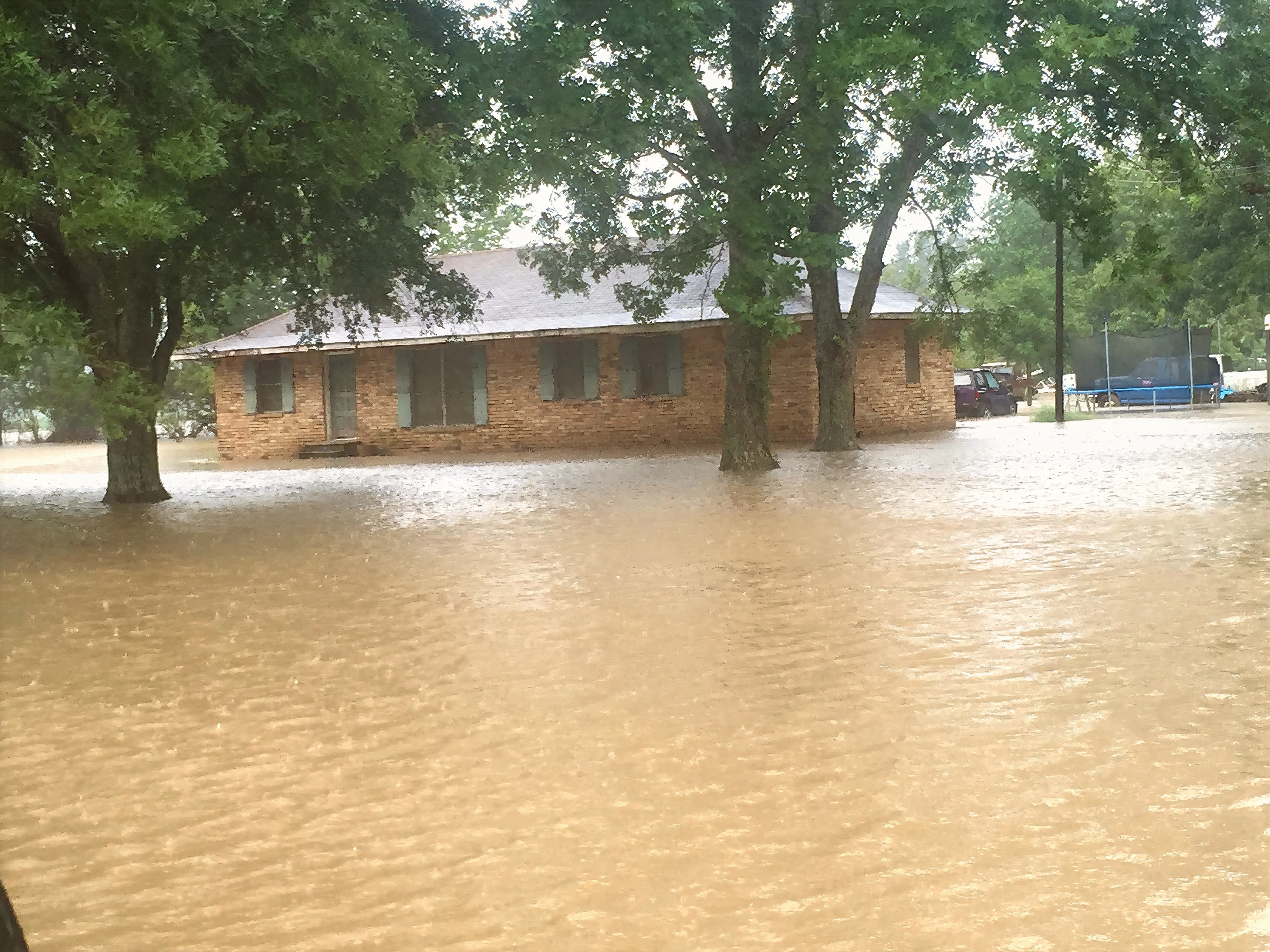
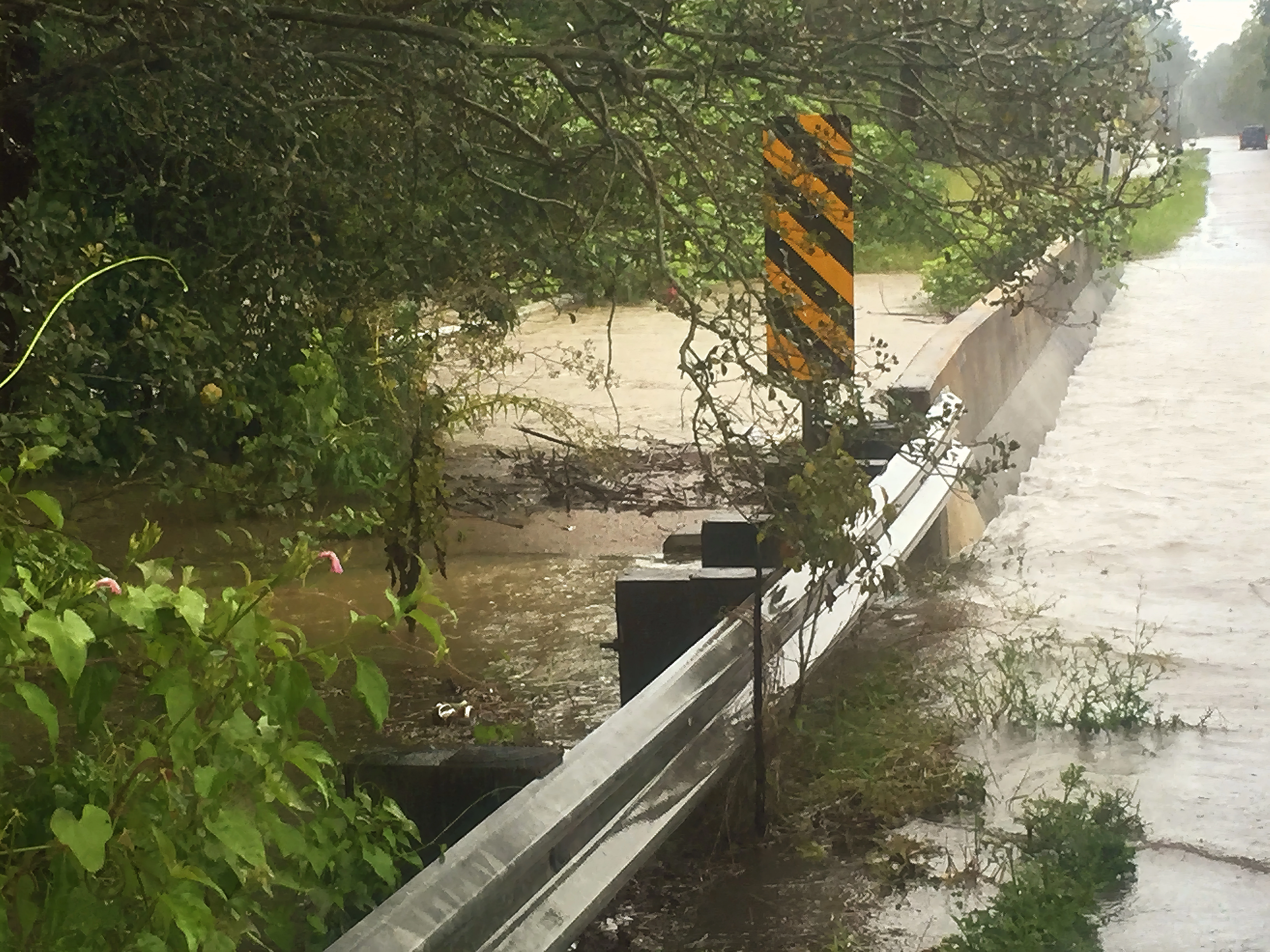


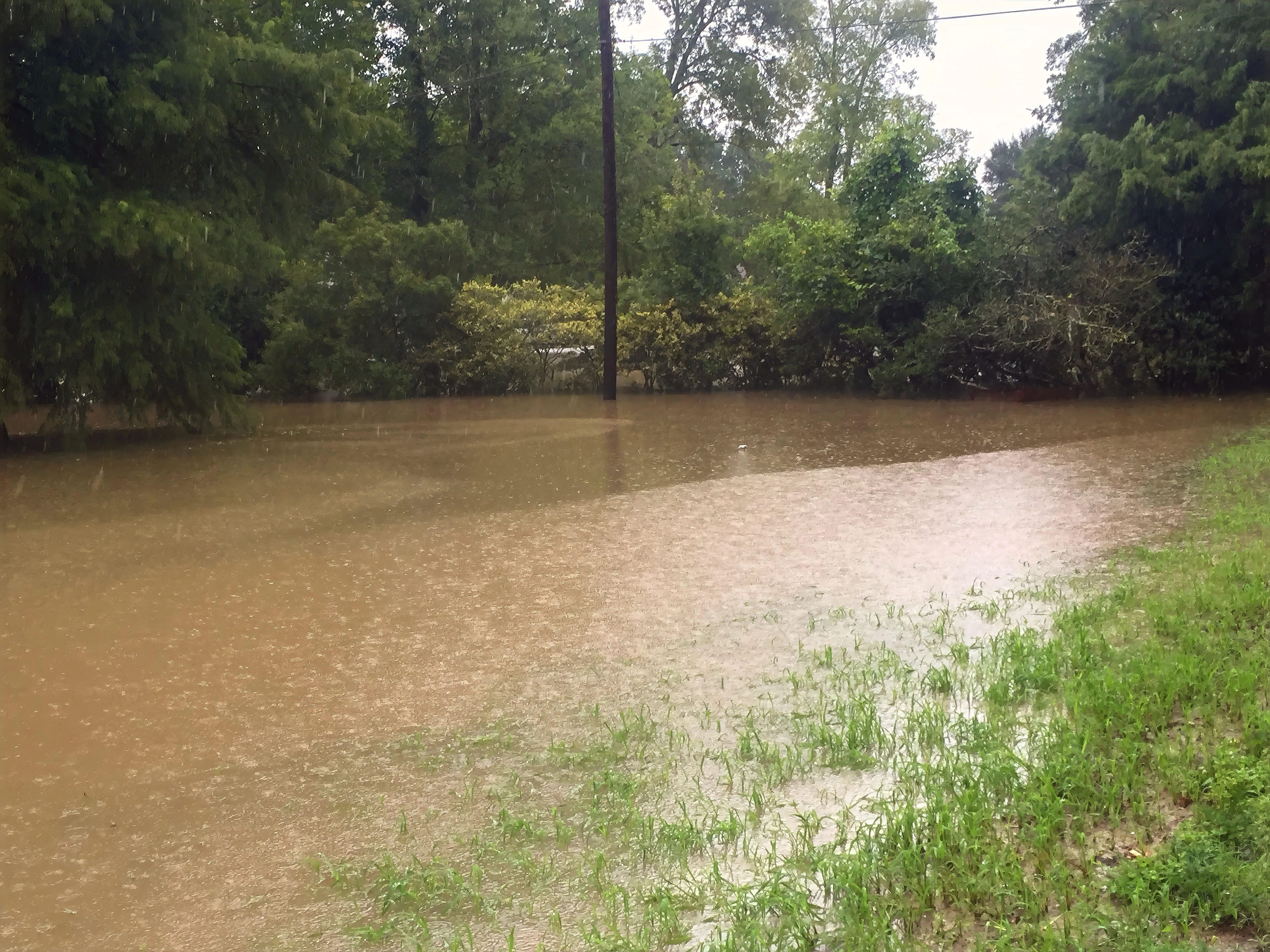

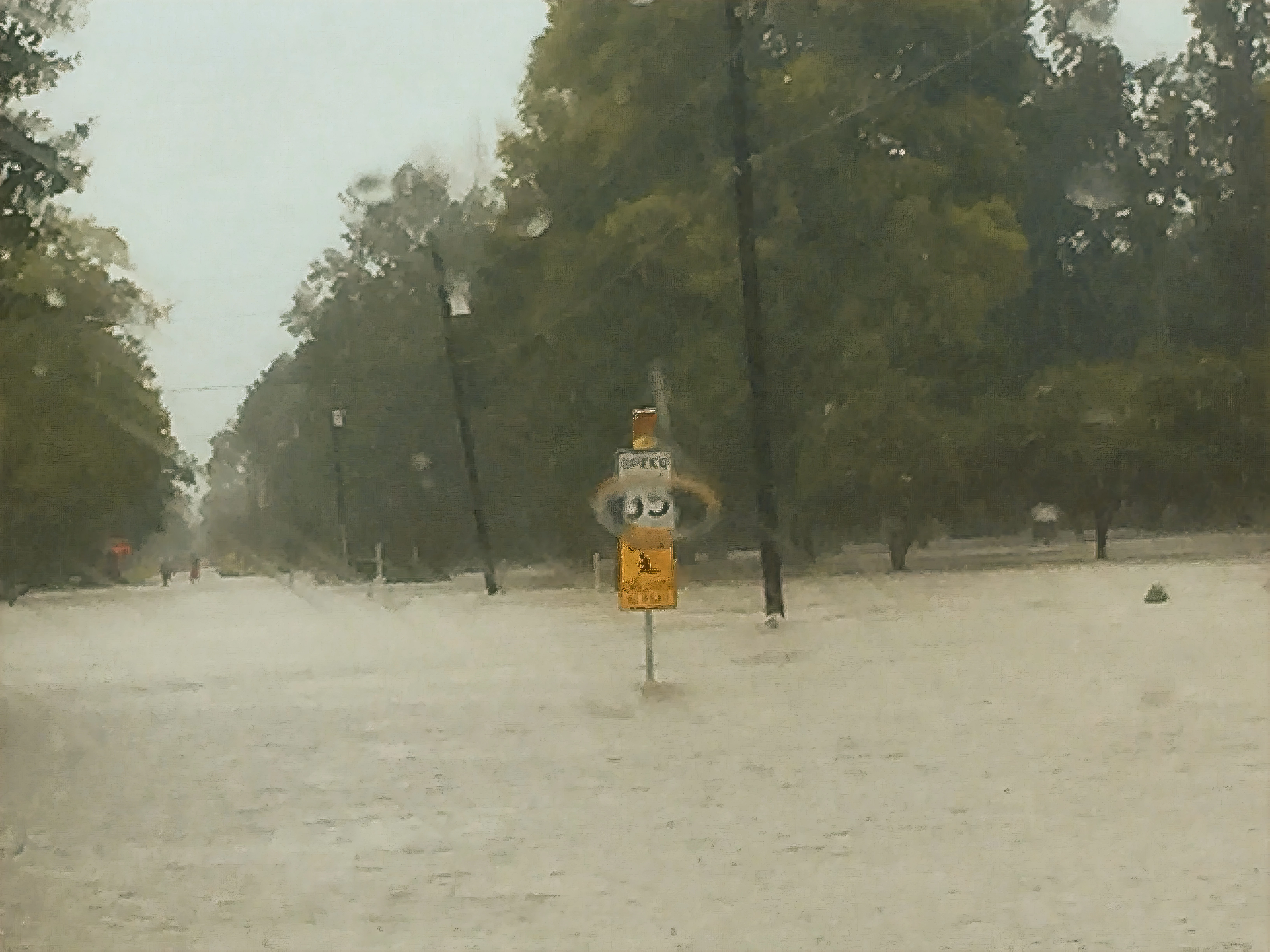
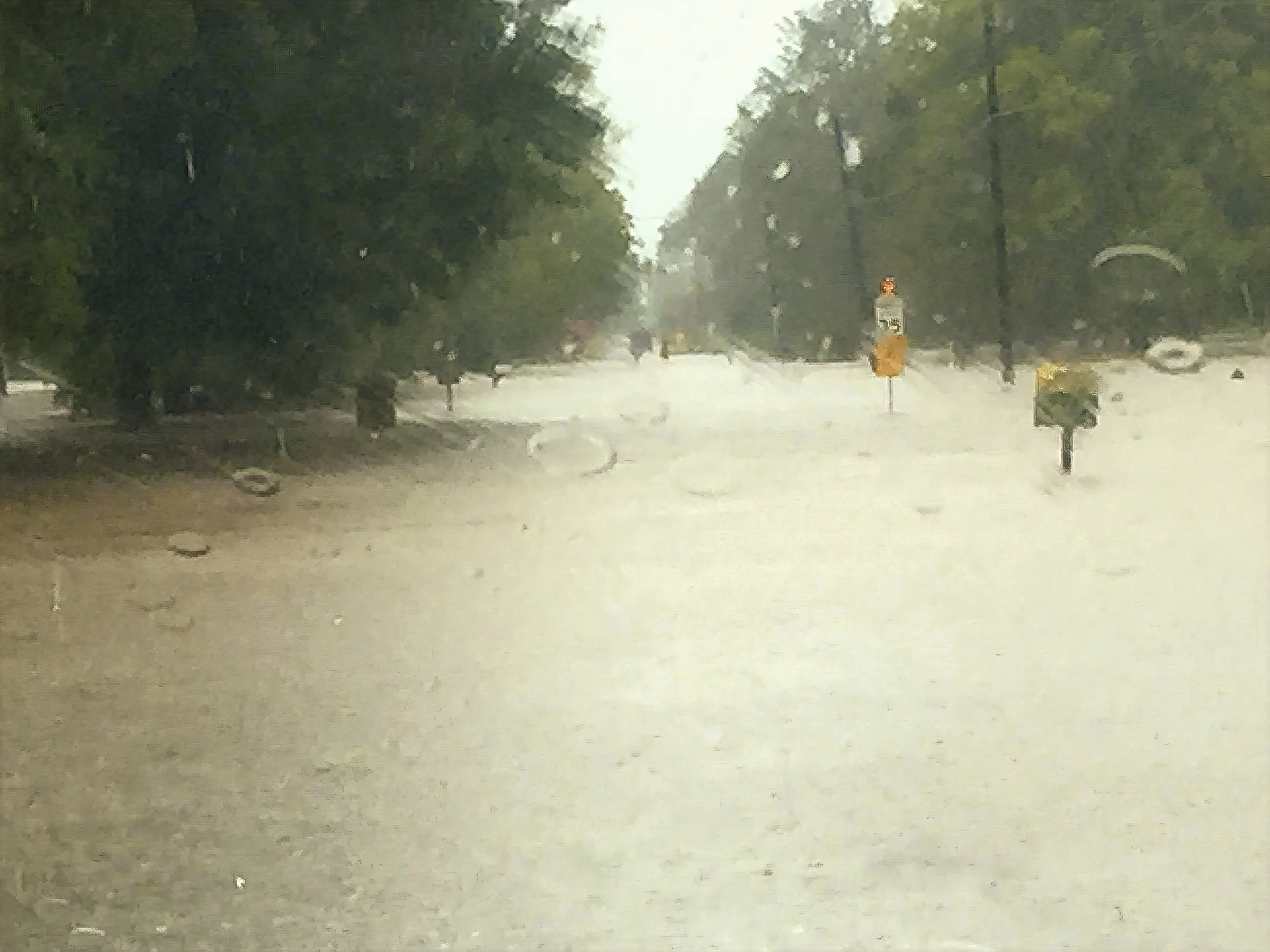
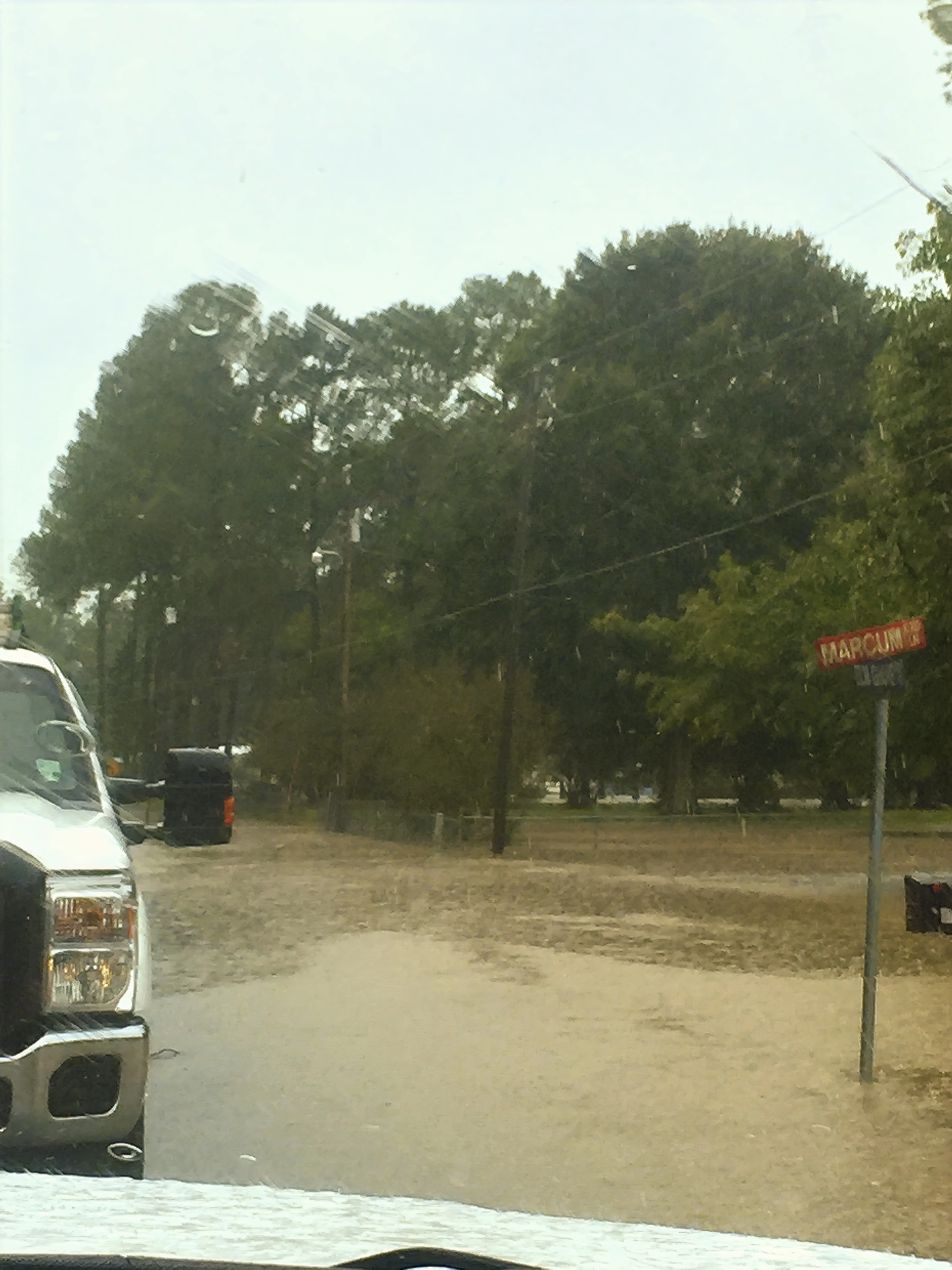
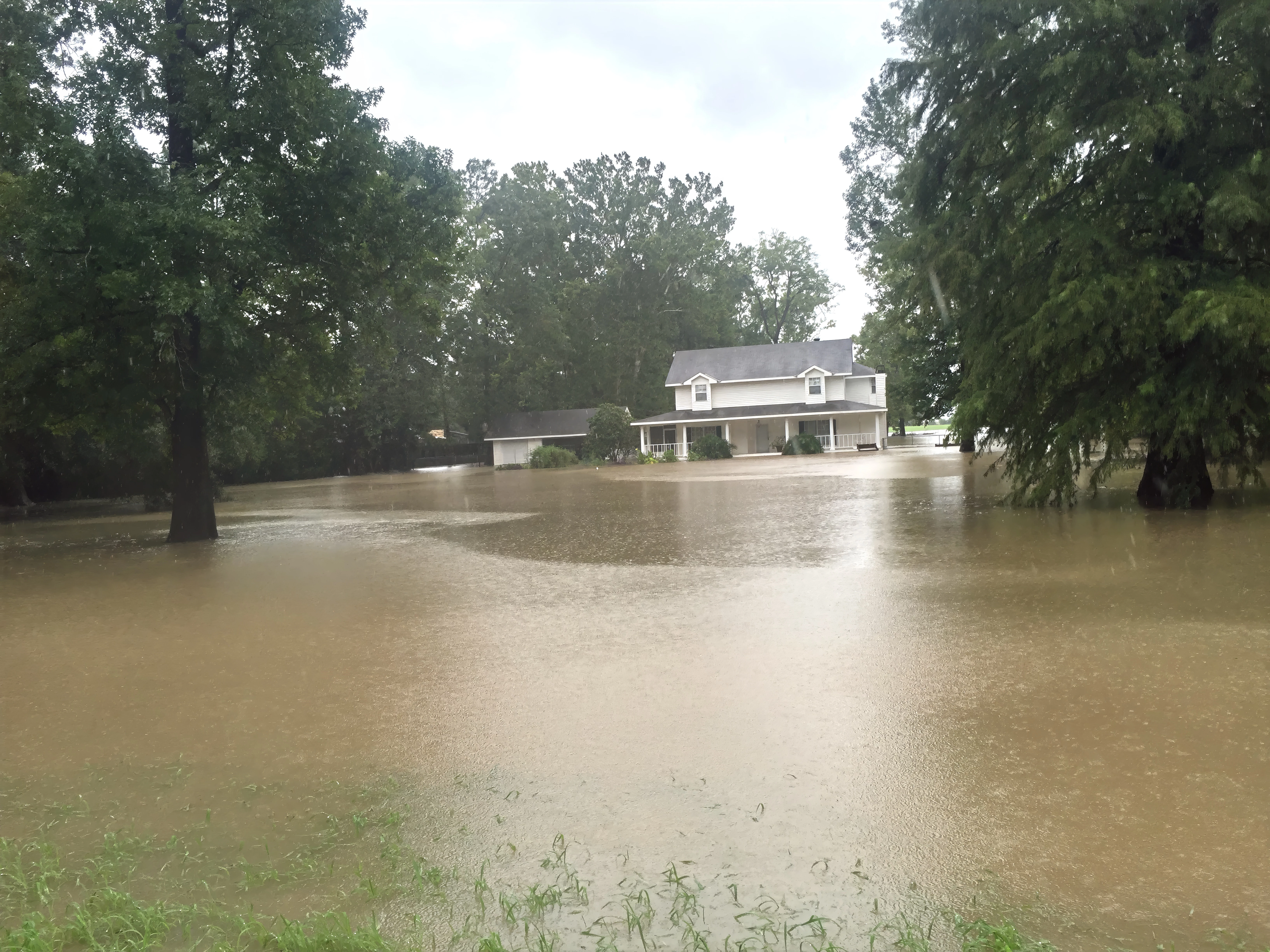
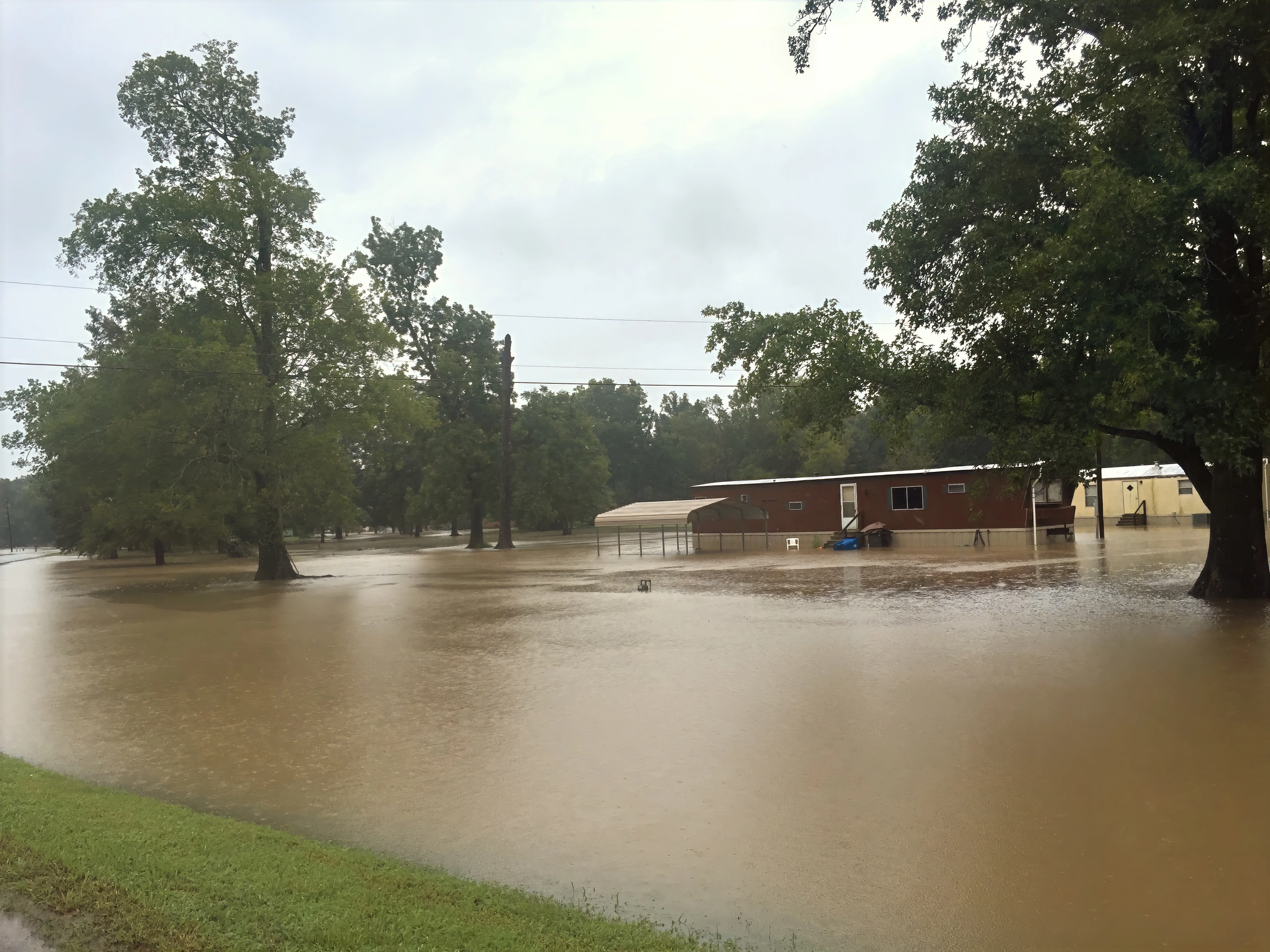
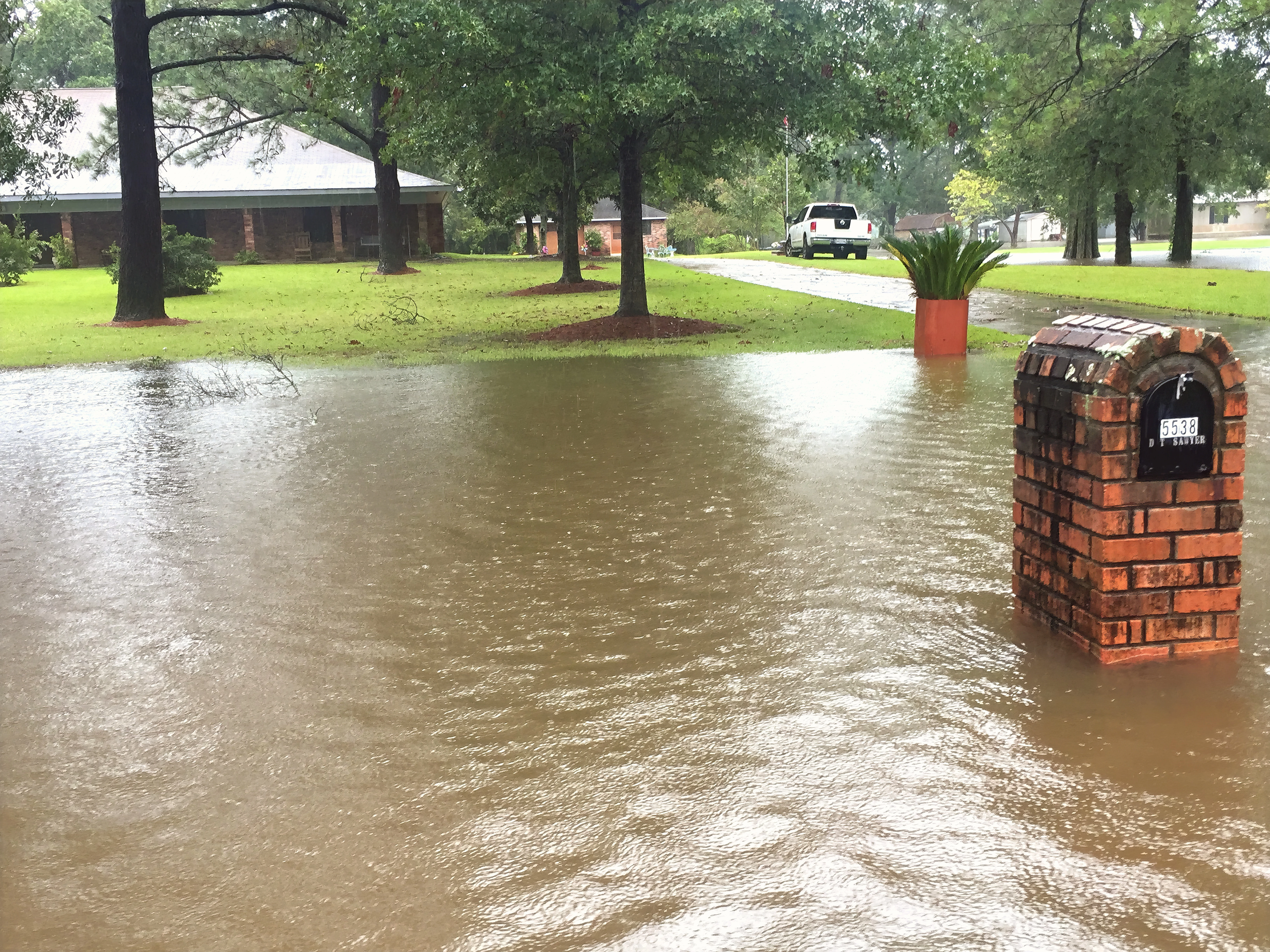
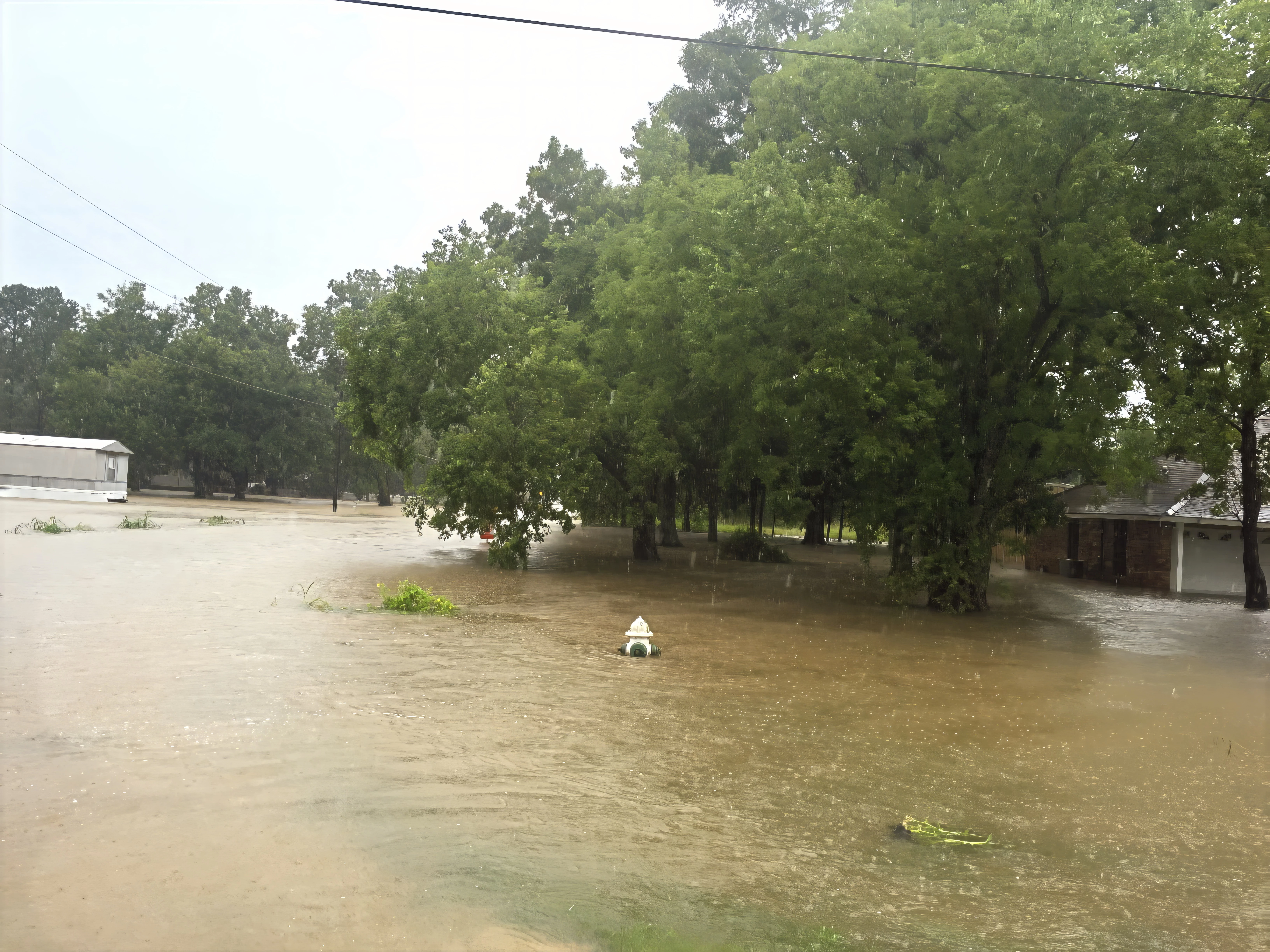

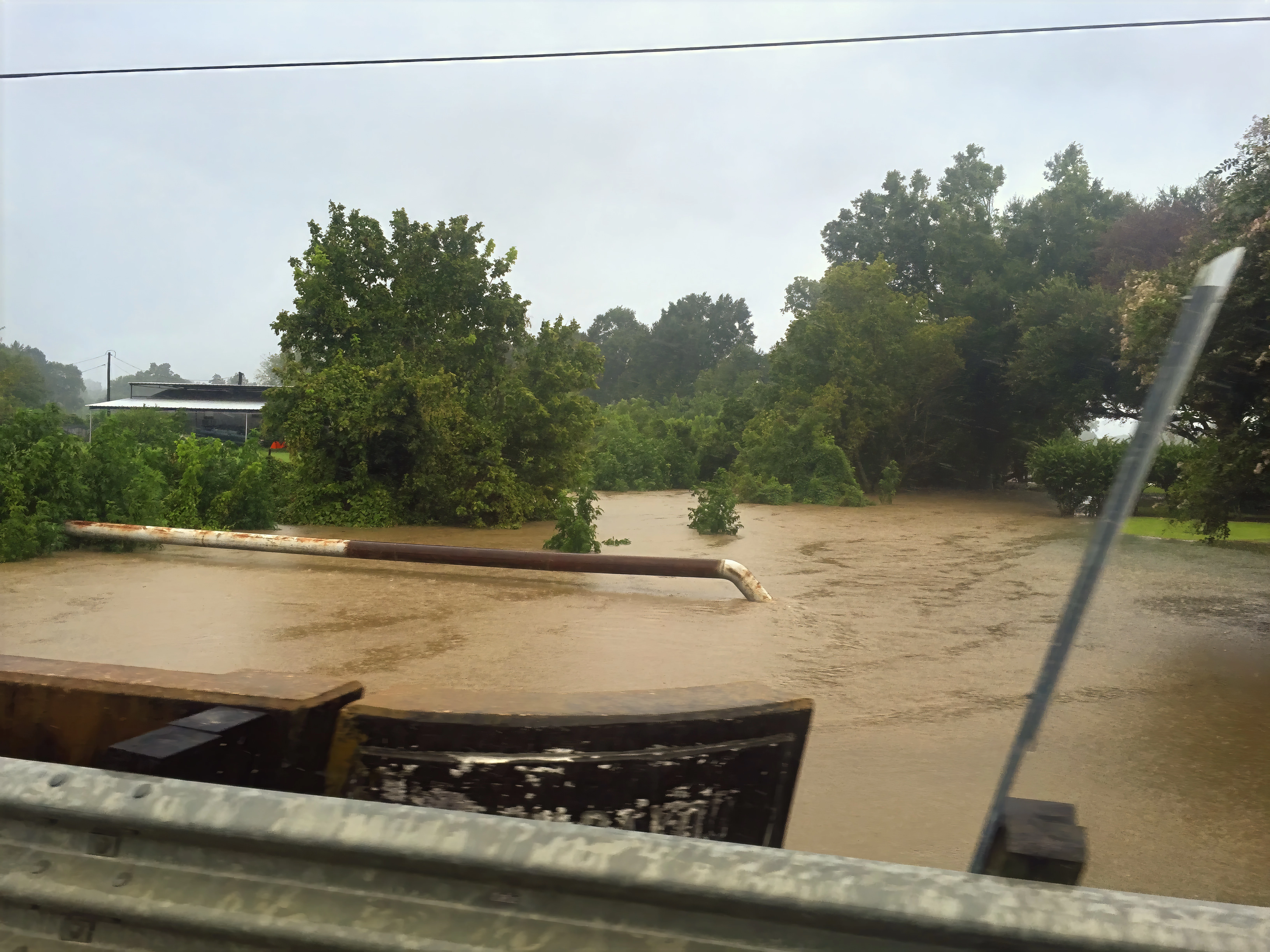
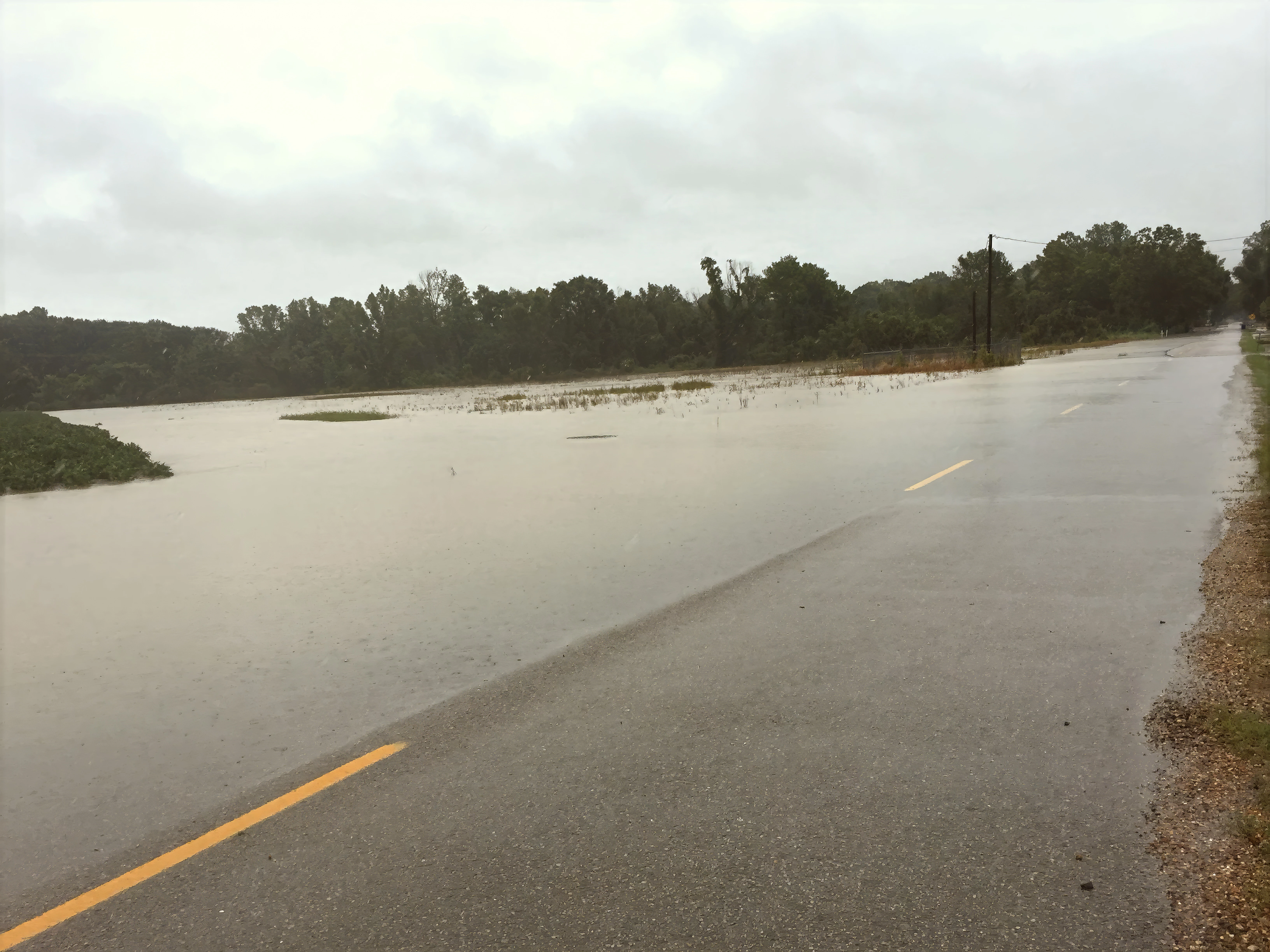


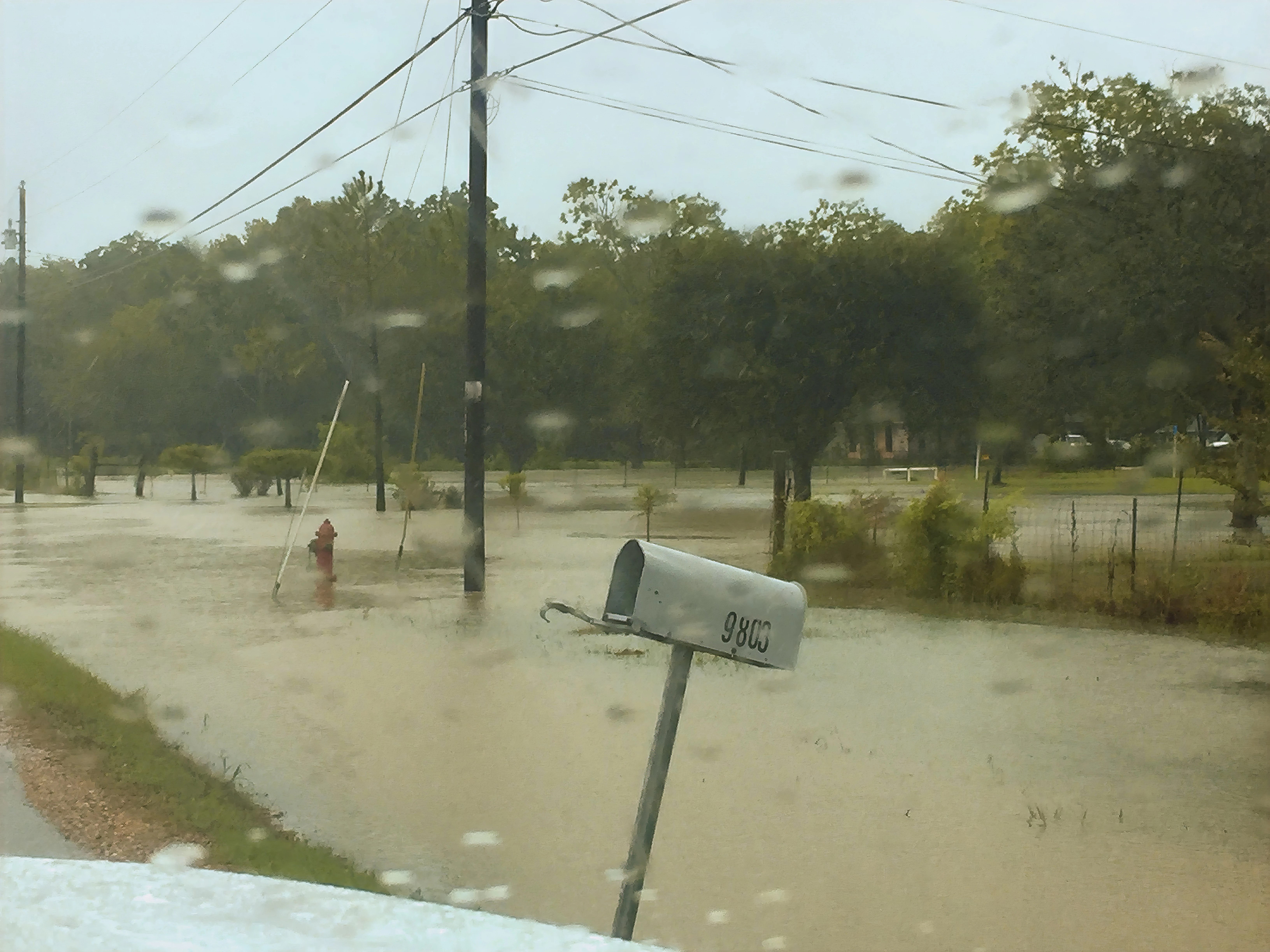


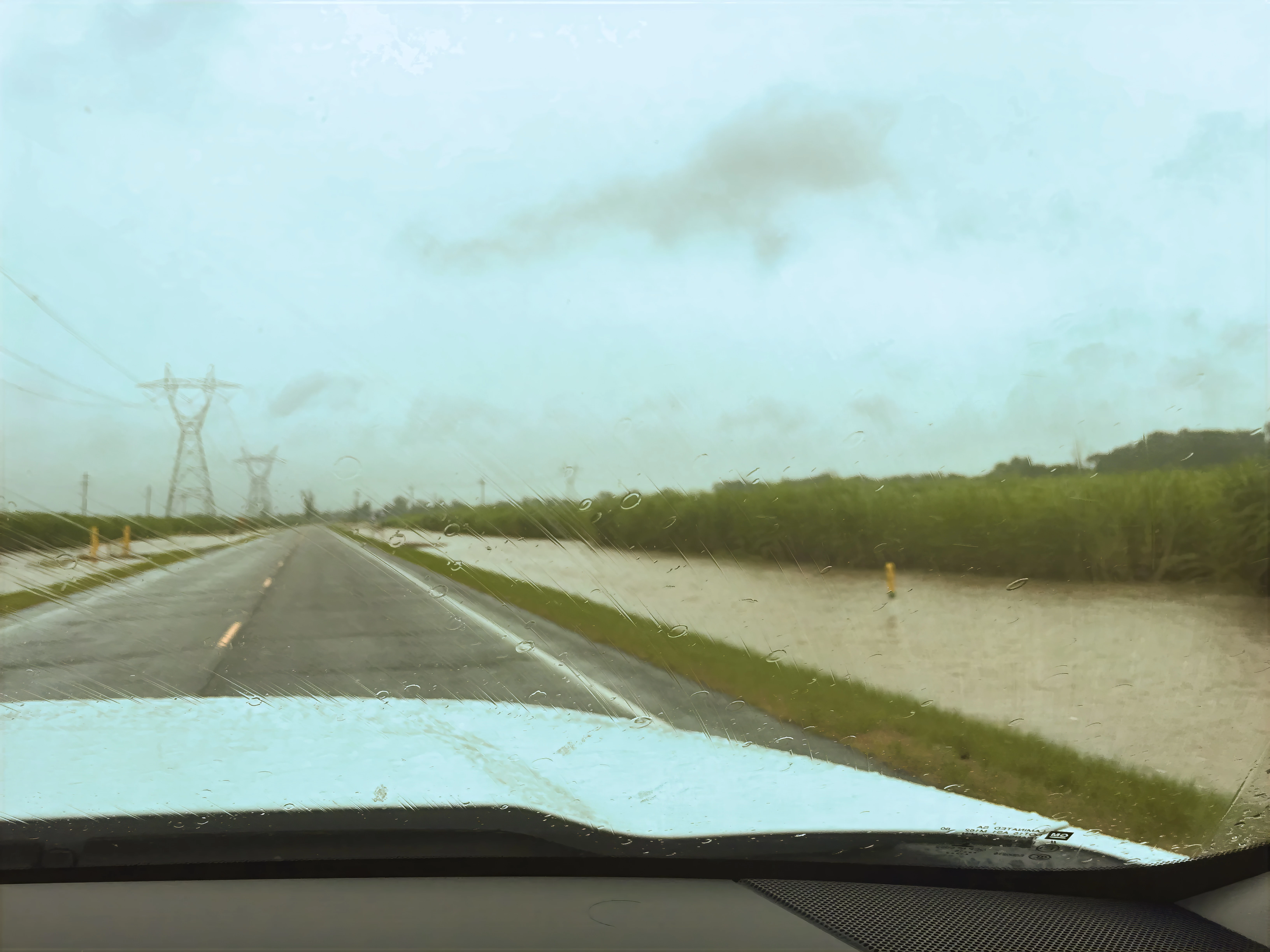
Above: Photos from 2016 Flooding
During the catastrophic August 2016 Louisiana floods that devastated the capital region, West Baton Rouge Parish experienced flooding that required emergency response, though the impacts didn't reach the catastrophic levels that triggered federal disaster declarations in neighboring parishes.
The numbers tell the story of geography and severity: East Baton Rouge Parish received 11.24 inches of rain in Baton Rouge proper. Livingston Parish recorded a staggering 31.39 inches near Watson—a 1-in-1,000 year event. West Baton Rouge received 4-6 inches between August 11-12, significantly less than areas east of the Mississippi River.
The main flooding impacts in WBR occurred in the Erwinville area and northern parts of the parish. Addis and Brusly experienced some minor flooding primarily in newer subdivisions. Schools closed August 12. The parish opened the Erwinville Community Center as a shelter (though no one used it).
While neighboring East Baton Rouge, Livingston, Ascension, Iberville, and Pointe Coupee parishes all received federal disaster declarations with Individual and Public Assistance, West Baton Rouge was not designated for federal help. FEMA's official disaster map from September 2, 2016 shows WBR in white—no designation—despite local flooding that impacted residents and required emergency response.
No FEMA Individual Assistance meant WBR residents couldn't access federal disaster relief for home repairs or temporary housing. No Public Assistance meant parish government received no federal reimbursement for emergency response costs or infrastructure repairs.
Jason Manola served as Chief of Administration during the parish's entirely local flood response, a position he had held since 2009. He served in that role until becoming Parish President in 2023. Without federal funding to rely on, WBR managed recovery using only parish resources and community resilience.
2025: Reactive Response Despite Experience
On April 24, 2025—just five weeks after voters rejected the drainage tax renewal—flooding hit Addis and Brusly neighborhoods throughout the parish. Water rescues were required in multiple areas. The parish distributed sandbags during the flooding event rather than pre-positioning them beforehand based on forecasted rainfall.
What the Pattern Shows:
Manola serving as Chief of Administration from 2009-2023 and then as Parish President from 2023 to current—the 2025 response centered on emergency sandbag distribution during the event, rather than pre-positioned mitigation based on forecast models providing 24-48 hours advance warning.
Voters must weigh whether it resulted in improved preparedness strategies, or whether the approach to the 2025 flood event showed reactive crisis management rather than proactive flood prevention.
What Officials Say vs. What Happened
Parish officials have made their case for drainage funding at multiple public meetings, town halls, and through media statements. Voters can evaluate whether those explanations address concerns about preparedness and planning.
Before April 2025 Flooding: "It's strictly to maintain 700 miles that we have within our parish... Drainage is everything. When a major rain event happens the last thing you want to worry about is your home flooding." - Parish President Jason Manola, WBRZ, April 2, 2025
After April 2025 Flooding: "Unfortunately, these circumstances show how critical it is to have a strong drainage infrastructure throughout our parish." - Parish President Manola, April 24, 2025
The messaging shift—from confident prevention before flooding to crisis justification after—illustrates questions voters face about preparedness when weather forecasts provided days of advance warning.
The Official Explanations:
At various public meetings and forums, parish officials have offered several defenses of drainage system performance:
"We maintain state infrastructure too": Officials note the parish maintains drainage under state highways as public service beyond minimum requirements.
"We constantly study drainage needs": Post-flooding presentations emphasized drainage analysis as routine practice. The 2026 budget confirms three major drainage studies underway.
"We're implementing flood prevention now": After April flooding, the parish implemented retention pond requirements for new developments.
"Flash flooding is unpredictable": Officials have characterized heavy rain events as difficult to prepare for in advance. However, modern meteorology has significantly improved flood risk forecasting. While meteorologists cannot pinpoint exactly which streets will flood, the National Weather Service routinely issues Flash Flood Watches 12-36 hours in advance when conditions favor flooding. NOAA's Weather Prediction Center produces Excessive Rainfall Outlooks up to three days ahead. Louisiana emergency managers have access to the Lower Mississippi Forecast Center, high-resolution rainfall forecasts, soil saturation data, and GIS-based flood mapping tools that identify historically flood-prone zones. These systems provide 24-48 hours of probabilistic warning for most flooding events—sufficient lead time for proactive response measures like pre-positioning sandbags and equipment in vulnerable areas.
"This was an unusual rain event": Parish officials have suggested April 2025 rainfall exceeded normal expectations.
"2016 drainage investments prove the system works": References to past drainage work under previous leadership have been cited as evidence of infrastructure improvements.
Voters must evaluate whether these explanations adequately address questions about proactive versus reactive management, particularly given that other parishes pre-positioned resources based on the same weather forecasts, Louisiana receives heavy rain regularly, and retention pond requirements implemented after flooding could have been implemented during the previous 14 years when Manola served as Chief of Administration.
What the Budget Shows About Drainage Investment
Despite the millage rollback documented above, the 2026 budget does include drainage infrastructure projects:
2026 Planned Projects:
- Woodlands Court North Side Ditch: $239,830 (major culvert project)
- Annual Culvert Program: $400,000 (funding all parish culvert projects)
- Winterville Additional Culverts: $85,000
- Rebelle Lane Culverts: $130,000
- Morley Canal Mitigation: $54,250
- Diversion Canal Mitigation: $50,000
Completed 2025 Projects:
- Winterville Culverts: $134,855
- Rebelle Lane Culverts: $134,295
Drainage Studies Underway:
- Choctaw Loop/Lukeville Area: Expanded scope beyond original $100,000
- South End Drainage Study: New project for Addis area
- North End Drainage Study: $70,000 rolling over
Parish President Manola reported at the budget hearing that he met with PEC Engineering and Drainage Superintendent Chad Doiron exploring options to redirect stormwater in areas like Lukeville using the Stonewall Canal. Brandon Bourgoyne is developing a comprehensive scope for full parish drainage analysis.
Voters can evaluate whether these investments—studies, culvert projects, and ongoing maintenance—translate into the proactive flood prevention officials emphasize, particularly when April 2025 flooding occurred despite these efforts being underway.
Broader Governance Context
The drainage system management approach exists within a broader parish governance context that voters may consider when evaluating leadership performance across multiple areas.
Fire Department Governance: For over three years, the parish fire department has operated under leadership contracted to Browning Associates LLC rather than through civil service appointment, despite written state guidance on proper procedures. Fire board proceedings have also included actions that appeared to violate Louisiana's Open Meetings Law, according to meeting recordings and agendas reviewed by WBR Independent and previously reported.
Emergency Management Communication: Officials described emergency text alerts during recent freeze events as intentionally simple "flip-phone friendly" messaging, suggesting communication approaches that may not leverage modern technology capabilities despite Manola's extensive parish operations experience spanning back to 2009.
Voters may consider whether patterns across multiple public safety areas—drainage response, fire department governance, emergency communications—suggest broader questions about administrative approaches to crisis management and regulatory compliance.
Important Note: This evaluation concerns administrative leadership and planning decisions, not the dedicated drainage department employees who maintain infrastructure with the resources and direction they're given—particularly challenging when the department operates understaffed due to vacancies and turnover, as revealed in the budget hearing.
Questions for Voter Consideration
Rather than focusing only on whether to renew the tax, voters might consider these accountability questions that remain unaddressed in public forums:
Financial Transparency:
- Where have drainage tax dollars been spent over the past decade with specific project accounting?
- What specific maintenance projects have been completed versus deferred?
- Why is the parish rolling back drainage millage while asking voters to authorize 7.2 mills?
- How does the official VisionWEST claim of "nearly $6 million" square with budget documents showing $4.9 million total 2026 revenue?
- How do WBR's per-mile drainage maintenance costs compare to similar parishes?
Planning and Performance:
- What is the parish's published drainage improvement plan with timelines?
- What metrics define successful drainage system performance?
- How will voters know if renewed tax dollars achieve stated goals?
- What specific improvements will prevent future flooding?
- What deliverables have resulted from drainage studies completed in recent years?
Leadership Accountability:
- Who is specifically accountable when predictable flooding occurs?
- What changed between 2016 and 2025 in terms of flood preparedness approaches?
- Why weren't sandbags pre-positioned when weather forecasts showed rain coming in 2025?
- Why is the drainage department operating understaffed with vacancies and turnover?
- Did the parish study drainage impacts before approving new subdivisions that flooded in both 2016 and 2025?
- Was there coordination with municipalities to assess how new development would affect existing drainage infrastructure?
Comparative Performance:
- How did other Louisiana parishes prepare for the same April 2025 weather system?
- What proactive measures do neighboring parishes take that WBR doesn't?
- Which parishes pre-positioned sandbags and equipment based on weather forecasts?
The drainage tax vote represents more than infrastructure funding—it's a referendum on whether current management approaches have demonstrated the preparedness and planning that merit authorization.
What's Really at Stake
Drainage infrastructure affects community life far beyond preventing flooded streets:
Property Values and Insurance: Flood-prone areas experience depressed real estate values and face higher insurance premiums. Chronic flooding affects not just current homeowners but anyone trying to sell property or attract new residents to neighborhoods.
Economic Development: Industries and businesses evaluate infrastructure reliability when considering locations. Communities with documented flooding problems face challenges attracting employers and commercial investment.
Daily Quality of Life: Chronic flooding disrupts commutes, forces event cancellations, closes schools, and creates constant stress monitoring weather forecasts and wondering whether streets will be passable.
Emergency Response Capability: Poor drainage hampers emergency vehicle access during severe weather. When flooding occurs, first responders face delays reaching residents who need help most urgently.
Community Confidence: Repeated flooding after administrative assurances erodes public confidence in government's ability to perform basic services, affecting voter participation, community engagement, and residents' willingness to support future initiatives.
Historical Context: WBR's Flooding Experience
West Baton Rouge Parish has faced various flooding challenges throughout its history:
June 24, 2015 - Lynndale Drive/Antonia Plantation Estates: Significant flooding occurred in these areas. According to residents, it took years to get cooperation from the railroad to fix culverts that contributed to the flooding problem.
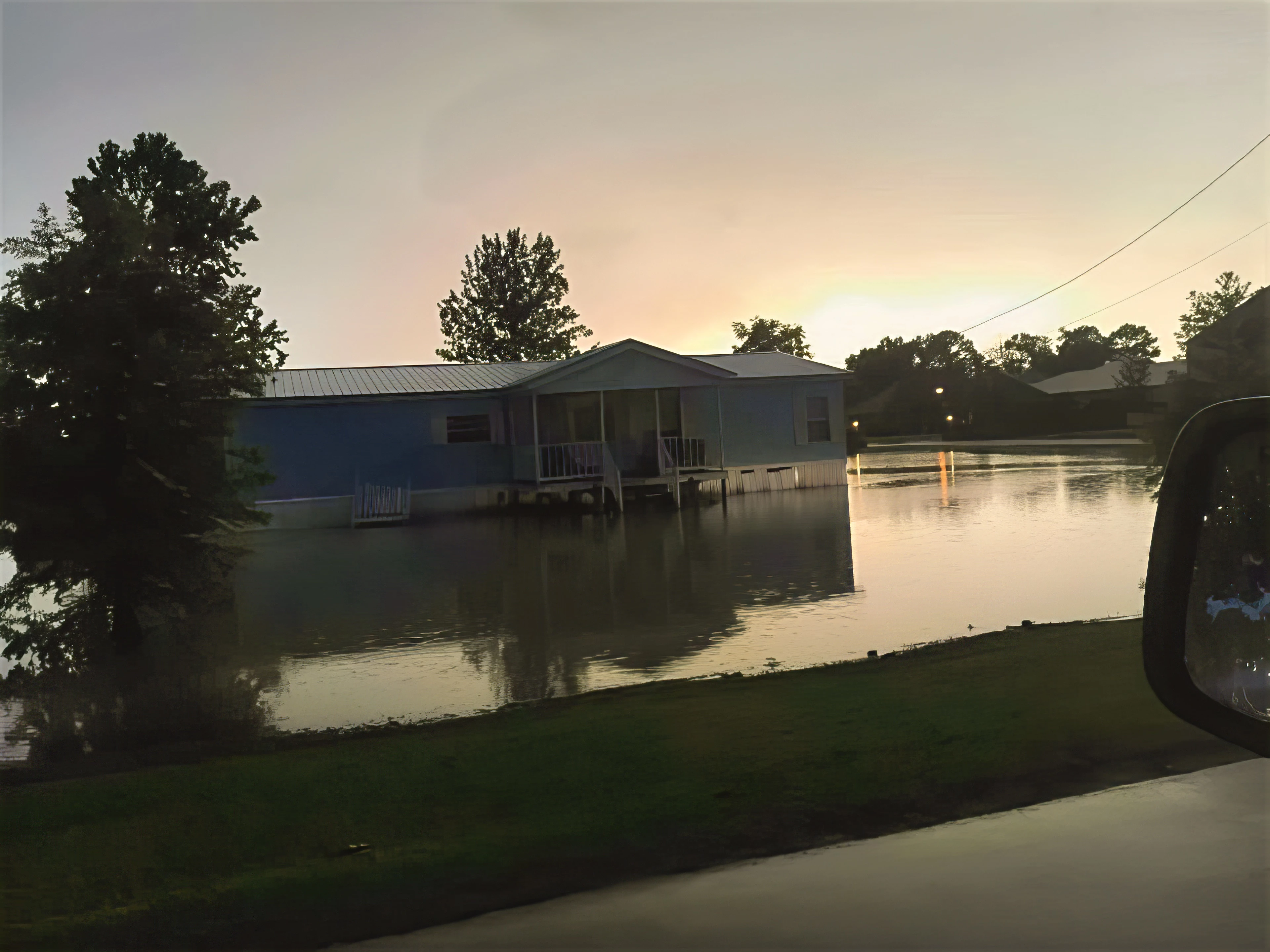
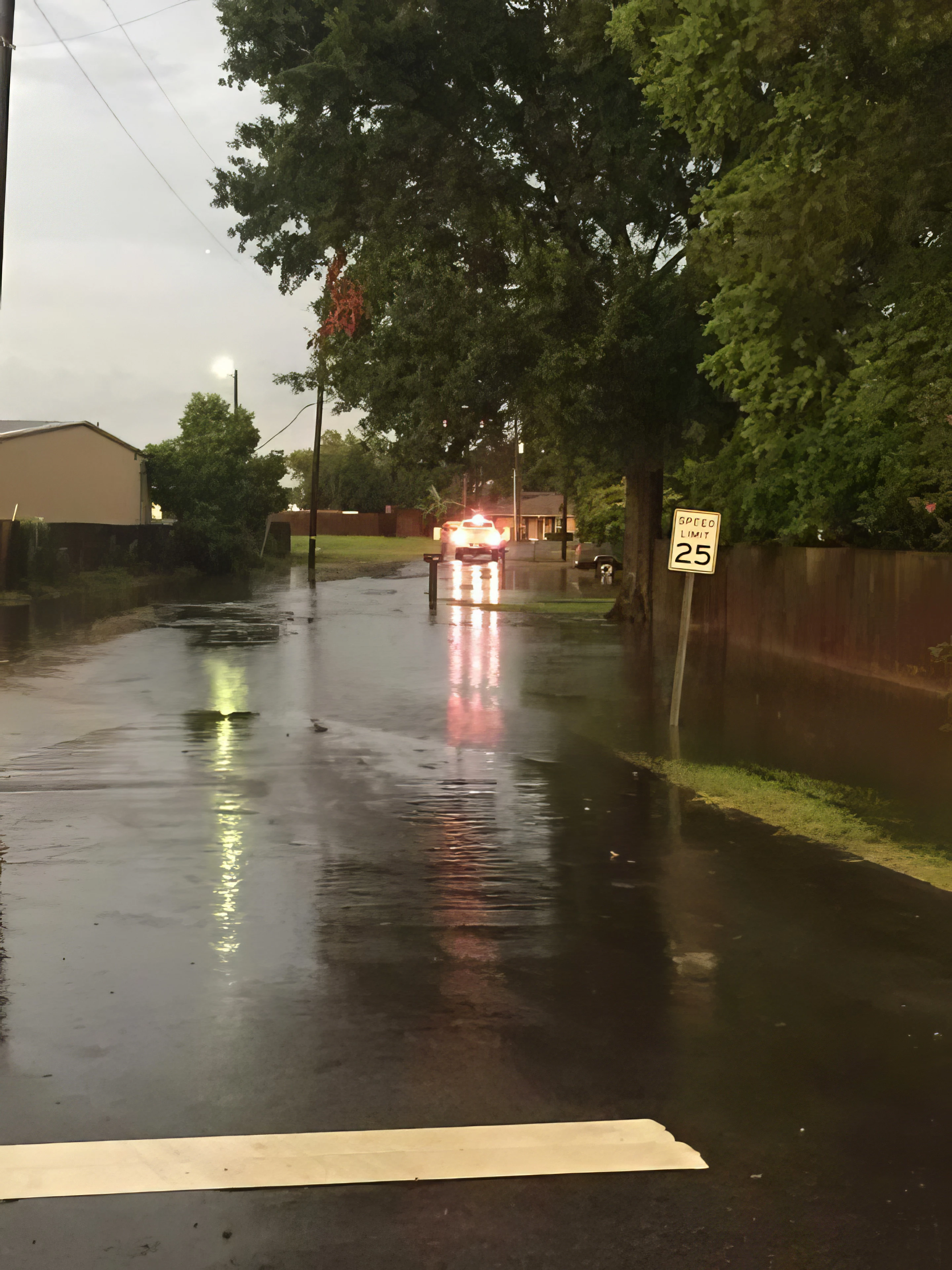
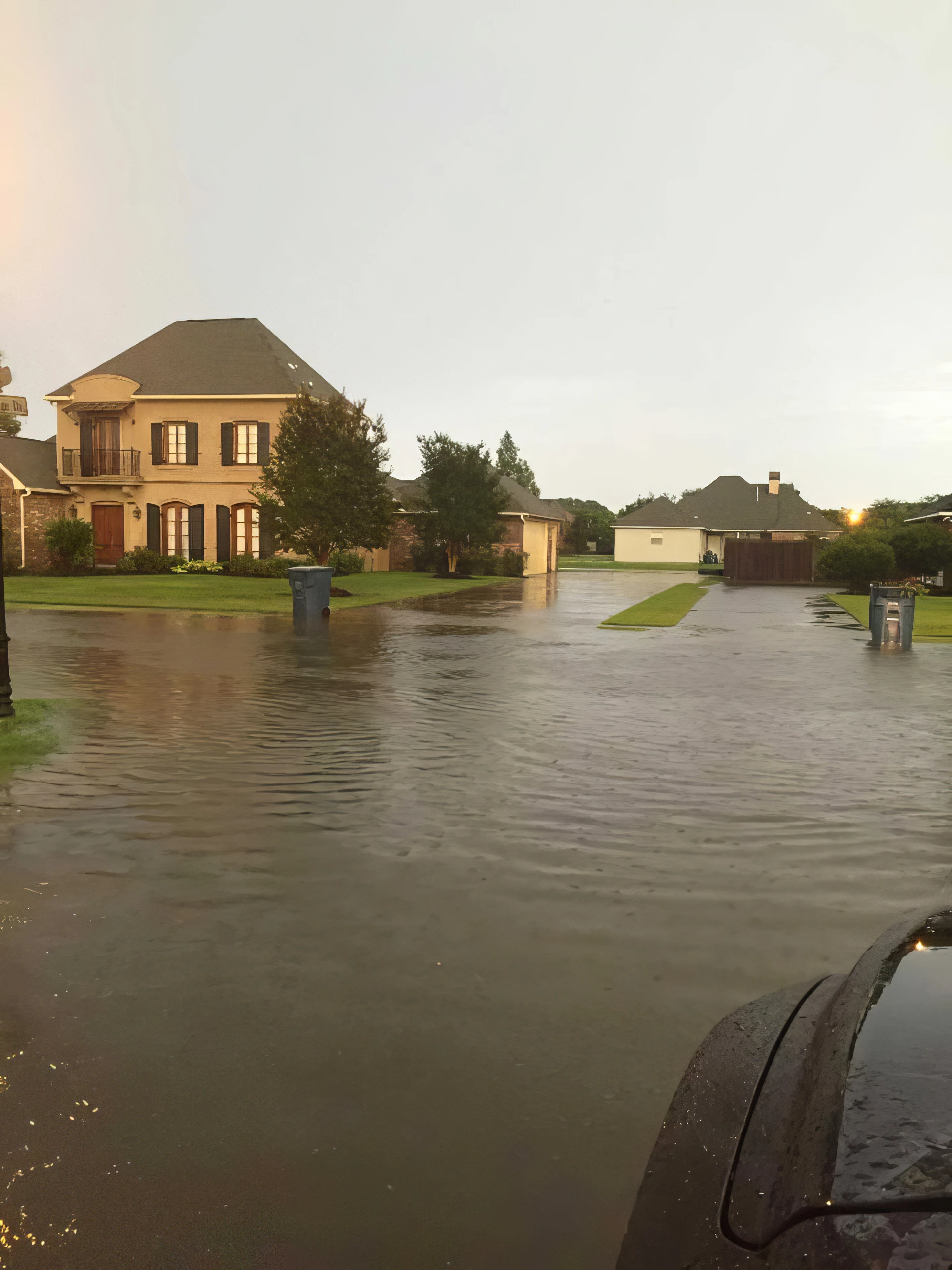
Above: Lynndale Drive/Antonia Plantation Estates 2015 Flooding
Tropical Storm Bonnie (July 2010): WBR experienced significant localized flooding with 8-9 inches of rainfall over two days, causing many homes to flood and creating widespread infrastructure challenges.
Hurricane Gustav (September 2008): The parish received 11.22 inches of rainfall in Brusly, causing significant flooding, widespread wind damage, and power outages lasting up to 3 weeks in some areas.
Hurricane Ida (August 2021): While the storm's eye passed approximately 25 miles west of the parish, WBR received a presidential disaster declaration, though impacts were relatively minor with only 2.40 inches of rainfall.
May 17-18, 2021: Heavy rainfall caused high water that killed one person when a vehicle ran off Highway 415 into floodwater in Port Allen.
The pattern shows WBR experiences flooding regularly enough that parish leadership has had multiple opportunities to develop comprehensive preparedness protocols over more than a decade.
Development Impact Questions: Given the documented flooding in newer subdivisions during both 2016 and 2025 events, as well as chronic issues in areas like Lynndale Drive/Antonia Plantation Estates, voters may want to know whether the parish studied the drainage impacts of new development before approving subdivisions. Did the parish coordinate with municipalities like Addis and Brusly to assess how new construction would affect existing drainage infrastructure? Were retention requirements adequate to prevent downstream flooding? When culvert issues involve entities like railroads, what is the parish's role in expediting solutions rather than waiting years? These questions remain unanswered in public forums where drainage funding has been discussed.
The Choice Voters Face
What's on the Ballot:
- Ballot Authorization: 7.2 mills for drainage maintenance
- Duration: 10-year renewal
- Cost to Homeowners: About $126 annually for a $250,000 home (after homestead exemption)
- Infrastructure Scope: 700 miles of drainage canals and ditches parish-wide
- Staffing: 28 full-time + 2 part-time employees
The Leadership Record: As documented in the 2016 vs. 2025 comparison above, two significant flooding events occurred over 16 years (Manola as Chief of Admin 2009-2023, then President 2023-current). The April 2025 response showed reactive crisis management—distributing sandbags during flooding rather than pre-positioning them based on weather forecasts providing 24-48 hours advance warning.
The Budget Reality: As detailed in "The Budget Numbers Tell a Story" section above, the parish plans to collect $544,683 less in 2026 than actually collected in 2024, despite asking voters to authorize the full 7.2 mills. The official voter mailer claims "nearly $6 million" while budget documents show $4.9 million total revenue—a $1.1 million discrepancy. The drainage fund operates with virtually no financial buffer while the parish maintains $8 million in unrestricted general fund reserves and uses $16.4 million in fund balance to supplement other areas.
This Isn't About Opposition to Drainage: Every reasonable person supports functional drainage infrastructure. The question isn't whether drainage matters—it's whether current leadership approaches have demonstrated the proactive planning and crisis prevention that merit continued funding authorization.
What Voters Can Demand:
- Detailed accounting of previous drainage tax expenditures
- Published drainage improvement plan with clear timelines and metrics
- Specific accountability measures showing who's responsible when systems fail
- Demonstrated shift from reactive crisis response to proactive prevention
- Explanation for millage rollbacks while claiming funding is critical
- Plan to fully staff drainage department and address turnover issues
- Deliverables from drainage studies showing how they prevent flooding
- Clarification of the $1.1 million discrepancy between voter mailer claims and budget reality
The Vote:
- Early Voting: November 1-8, 2025 (except Sunday, November 2nd)
- Election Day: November 15, 2025
- Ballot Measure: 7.2-mill drainage tax renewal, 10-year duration
If the Tax Fails: Louisiana election law permits parishes to place tax renewals on future ballots, giving officials additional opportunities to address voter concerns and demonstrate improved planning approaches before seeking renewed authorization.
The Bottom Line
This election asks whether West Baton Rouge residents are satisfied with drainage management approaches demonstrated with administrative continuity, particularly the reactive response pattern documented in the 2025 flooding event.
Parish officials have made their case through public meetings, media statements, and budget presentations. They've explained their drainage investments, ongoing studies, and infrastructure projects. They've emphasized the critical importance of drainage funding.
Voters now decide whether those explanations adequately address questions about reactive approaches despite 16 years of administrative experience, millage rollbacks while claiming critical funding needs, reactive drainage studies, understaffed operations with vacancies and turnover, and whether new subdivision drainage impacts were adequately studied before development approval.
The choice belongs to voters: authorize continued funding under current approaches, or use the ballot to demand demonstrated accountability and proactive planning.
Choose based on the record. Choose based on the explanations officials have provided. Choose based on whether you believe the Parish demonstrated the leadership drainage infrastructure deserves.
The drainage tax renewal isn't just about money—it's about whether management approaches have earned your confidence for another decade.
Sources
News Reports:
- WBRZ, April 2, 2025: "WBR Parish President says drainage tax renewal rejection could affect the parish" by Gabby Davis
- WBRZ, April 24, 2025: "Addis residents react to heavy rains" by Sarah Gray Barr
- WAFB, September 21, 2023: "2 candidates vying for West Baton Rouge Parish President"
- Unfiltered with Kiran, October 17, 2023: "Manola takes over as WBR Parish President" by Jordan Arceneaux
Scientific Sources:
- NOAA National Severe Storms Laboratory: "Severe Weather 101: Flood Forecasting"
- NOAA Weather Prediction Center: Excessive Rainfall Outlooks
- National Weather Service Flash Flood Watch procedures
Federal Records:
- FEMA Disaster Declaration DR-4277-LA (August 14, 2016)
- FEMA Disaster Declaration Amendment #5 (September 2, 2016)
Public Records:
- West Baton Rouge Parish Council Budget Hearing, October 28, 2025 (Day 2 transcript)
- West Baton Rouge Parish 2026 Budget Documents
- West Baton Rouge Parish 2026 Drainage Fund Budget (Fund 010)
- West Baton Rouge Parish 2025 Budget Documents
- West Baton Rouge Parish election results, March 29, 2025
- West Baton Rouge Parish VisionWEST publication, October 2025
Public Meetings:
- West Baton Rouge Parish public meetings and town halls, 2025
- Parish President public statements at community forums
WBR Independent Previous Reporting:
- September 15, 2025: "Four Residents Escape Major House Fire on Main Street in Brusly"
- September 10, 2025: "Fire board votes to abolish full-time chief position"
- September 4, 2025: "WBR Council Approves $9.16M Sewer Bond"
- August 27, 2025: "WBR 'Fire Superintendent' Hired Outside Civil Service Law"
- August 25, 2025: "WBR Fire Chief Role Skirted Civil Service 3+ Years"
- July 24, 2025: "Flooding Study Reveals Drainage Problems in Brusly Neighborhood"
- June 11, 2025: "Deep Water, Hard Questions: Resident Challenges Parish Leadership"
- June 5, 2025: "Addis Residents Demand Action on Chronic Flooding"